Listening Is the Work: Sound, Memory & Cultural Responsibility
Interviewed and Published by: Lamont Jack Pearley
Sidebar: Why This Episode MattersWhy This Episode MattersThis conversation sets the tone for African American Folklorist 2026.At a moment when Black culture is constantly extracted, monetized, and flattened, this episode insists on ethical listening, self-preservation, and cultural responsibility as foundational practices—not afterthoughts. It moves beyond single-site narratives to connect prison, performance history, community labor, and ancestral memory as part of one living system.This episode matters because it:Centers community-led, community-fed knowledgeNames the realities of Black access vs. white access in fieldwork and institutionsConnects living tradition bearers to historical recoveryAffirms that Black life is not a monolith, but a continuum of experienceModels folklore work outside the academy, without dismissing it
Above all, it reminds us that documenting Black life is not neutral work.
 It is relational work.
 It is protective work.
 It is responsibility.
The year 2026 begins not with urgency, but with intention.Our January African American Folklorist conversation opens with a reminder that folklore is not something we merely study, it is something we carry, protect, and live inside of. This episode features Daniel E. Atkinson, an independent ethnomusicologist and cultural documentarian whose work insists that sound, memory, and responsibility are inseparable.
This conversation is not just about Angola. It is not just about a book. And it is not just about the academy.
It is about how we listen, who is allowed access, and what it means to do this work as Black people, or alongside Black communities, inside systems that were never designed for our care.
Beyond the Archive: Where Folklore Lives
Dr. Atkinson’s work reminds us that folklore does not only live in archives, libraries, or institutions. It lives in people, places, labor, and everyday acts of survival, many of which never get named as history. From woodcarvers and painters to foodway practitioners and community elders across Louisiana, his documentation centers people whose knowledge is held in the hands as much as in the mouth.
This is folklore as lived experience.
This is culture as practice, not performance.
Angola, Access, and the Plantation–Prison Continuum
While much of the public knows Dr. Atkinson for his long-term research at Angola State Penitentiary, this episode situates that work within a broader conversation about Black access versus white access. Angola, built on a former slave plantation and now the largest maximum-security prison in the United States, becomes a site where sound, testimony, and survival collide.
Inside that space, Dr. Atkinson documented how Black vernacular expression continues to function under extreme constraint, revealing continuity between plantation logic and prison structure. The resulting work, The Angola Project, translated ethnographic listening into sound, now housed at the National Museum of African American History and Culture.
But what emerges just as powerfully is the reality of self-preservation in the field, how systems respond differently to Black presence, Black authority, and Black intellectual autonomy. This episode names those realities without romanticizing them.
Restoring Black Performance History
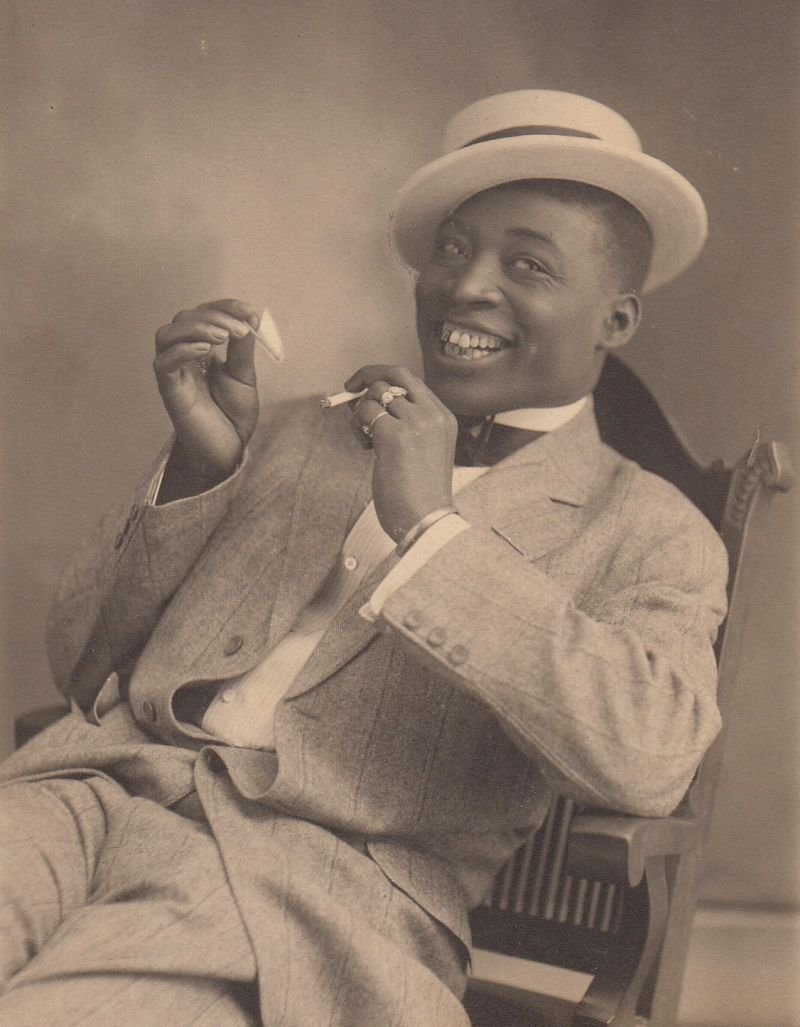
The conversation also moves into historical recovery through Dr. Atkinson’s landmark book, The Rediscovery of George “Nash” Walker: The Price of Black Stardom in Jim Crow America, published by SUNY Press. The book restores George Walker, actor, producer, and cultural strategist, to his rightful place in Black theater history.
What becomes clear is that Walker’s story is not just about performance. It is about Black excellence, resistance, and vision, and the cost of building institutions in a world determined to erase them. This recovery is not nostalgic. It is corrective.
Cultural Responsibility as Practice
Throughout the episode, one idea returns again and again: cultural responsibility.
Not as branding.
Not as virtue signaling.
But as an operating system.
Cultural responsibility, as discussed here, is about honoring elders, protecting stories, refusing extraction, and understanding that this work must last beyond us. It is about knowing when to step forward, when to step back, and when to walk away from systems that demand our erasure in exchange for proximity.
This conversation sets the tone for the year:
community-led, community-fed, grounded in Blues Ecology and Black folk narrative—not as theory alone, but as lived practice.
Moving Forward
As we enter a new year, this episode asks us to slow down and listen harder. To remember that folklore is not a monolith. That Black life is not a single story. And that ethical listening, done with humility, care, and accountability, is the real work.
Because listening is not passive.
Listening is the work.