
AFRO-INDIGENOUS FOLKLORE
Myths, Legends, and the Wisdom of Ancestors
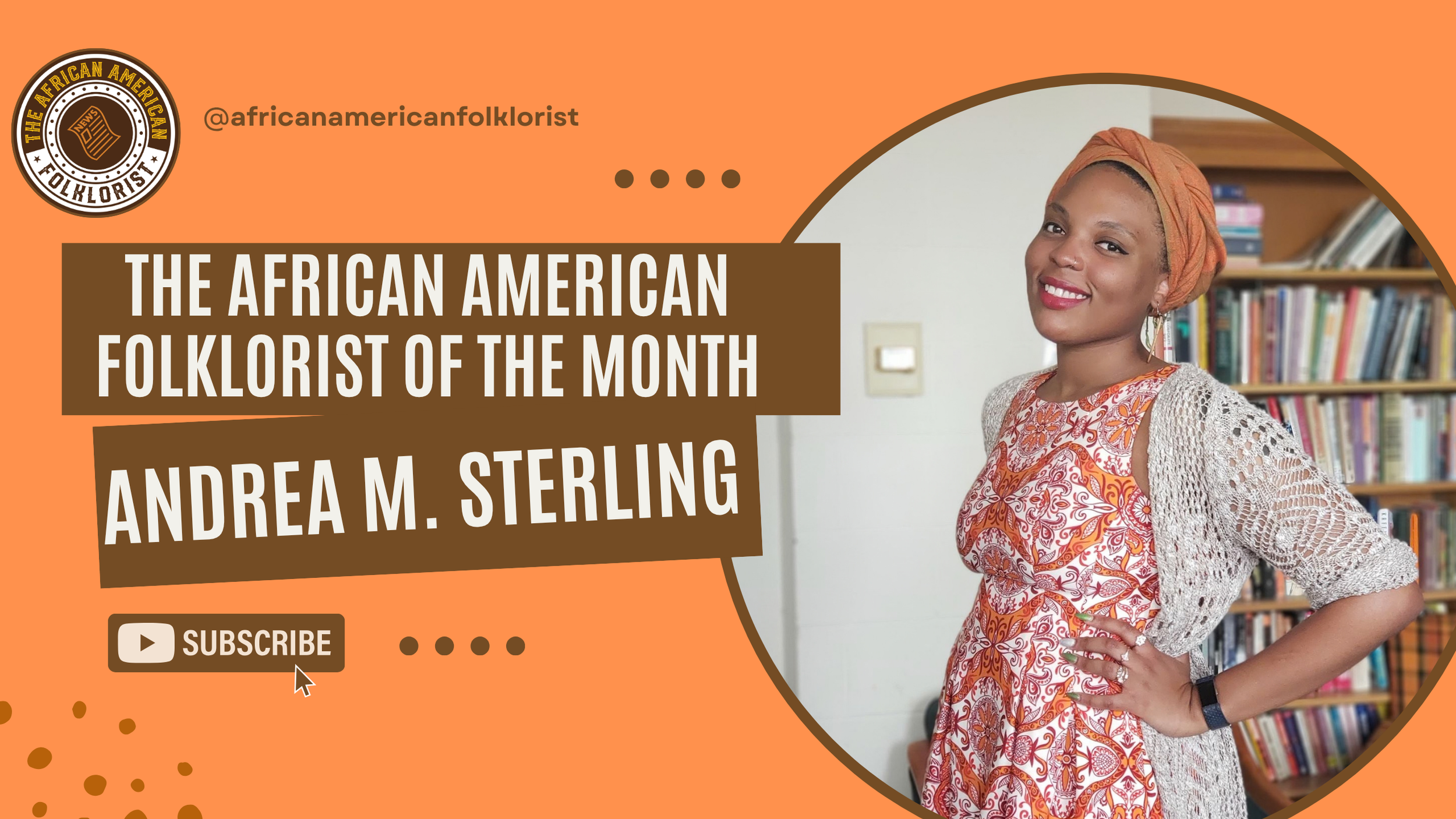
Andrea Sterling: Black Feminist Radical Love, Interdependence, and the Practice of Community Care
What can radical love teach us about the ways we care for one another, build community, and imagine freedom? Andrea M. Sterling is a writer, facilitator, scholar, and community cultural worker whose practice is rooted in a Black Feminist Radical Love Ethic..
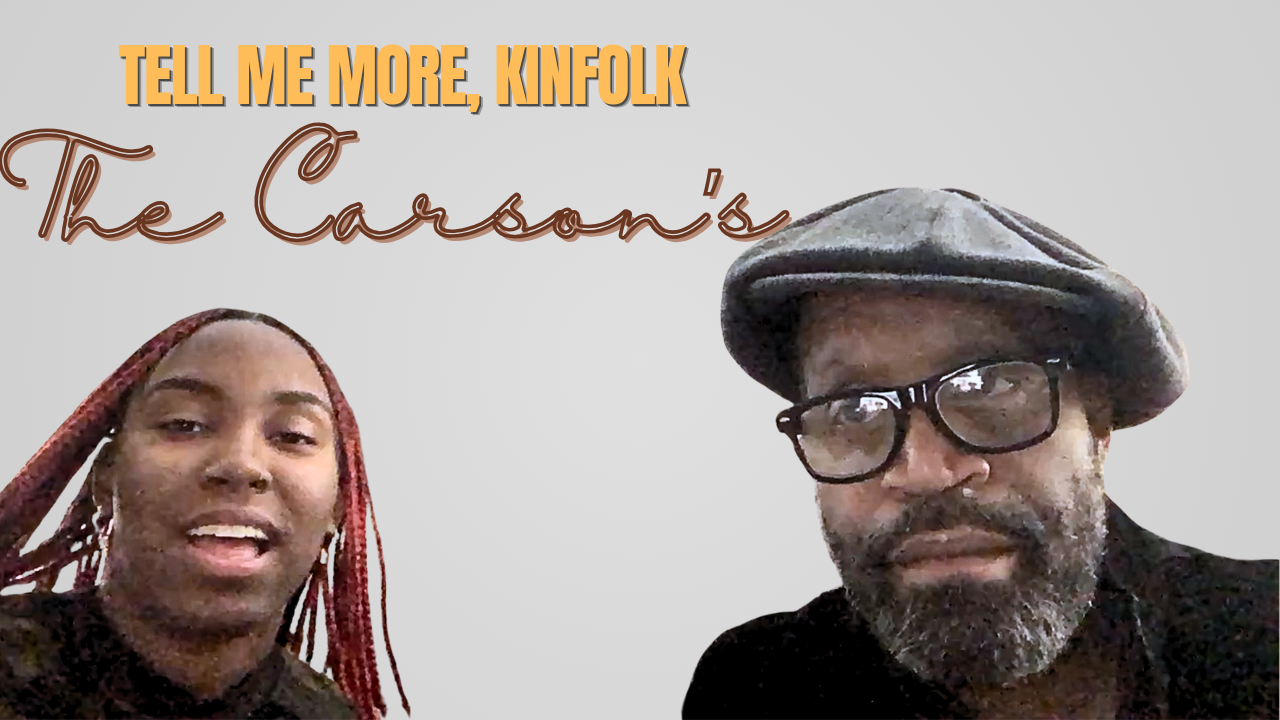
Tell Me More, Kinfolk: Brock Lightnin’- A Daughter Asks Her Father About Music
In this first installment of Tell Me More, Kinfolk, musician Brock Lightnin’ is interviewed by his daughter about his love for music, his desire to create, and the experiences that continue to shape him as an artist.
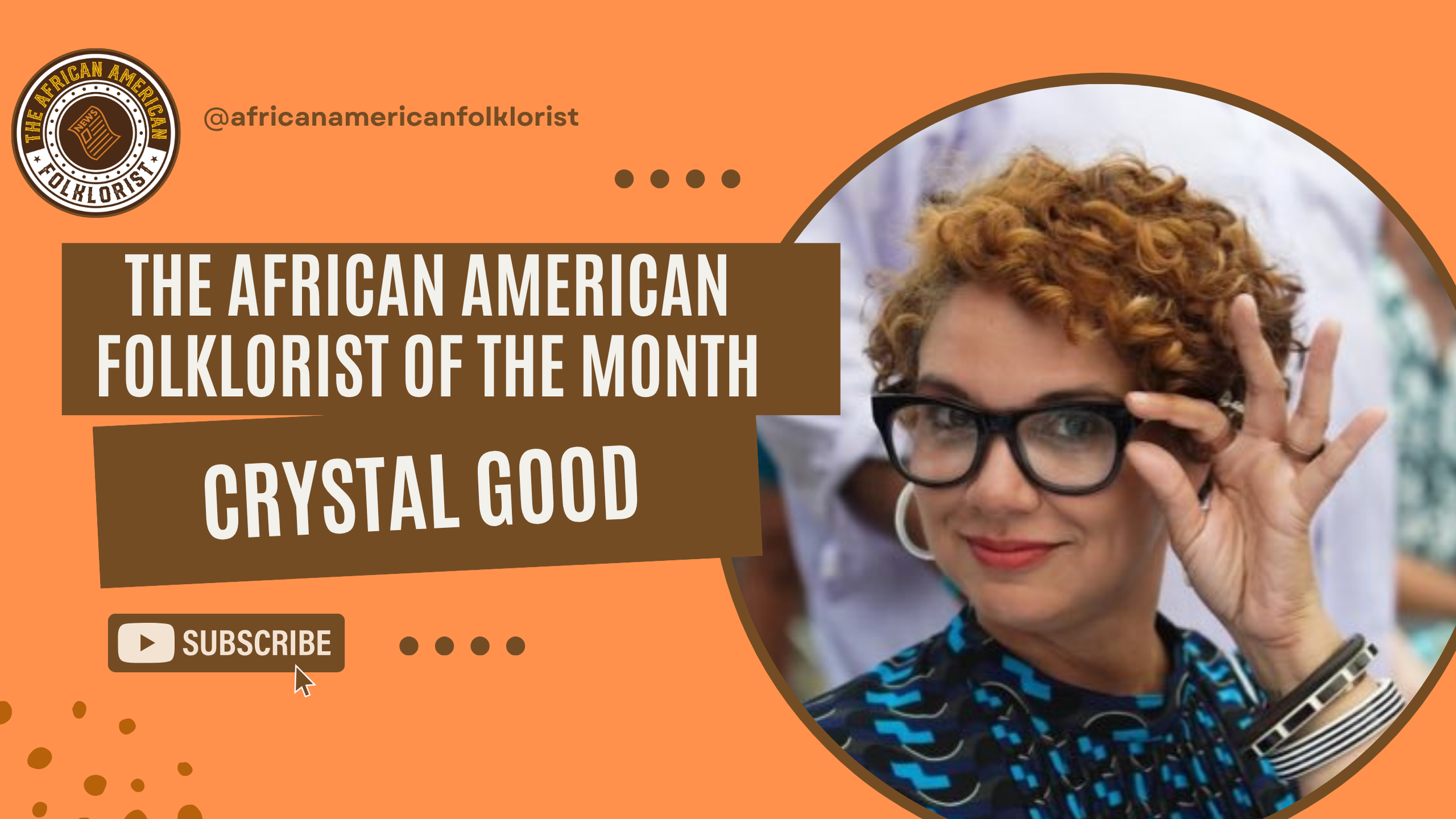
Crystal Good and Black By God: Documenting Black Appalachia on Our Own Terms
The African American Folklorist recognizes Crystal Good this September because her work expands an important conversation about what African American folklore practice can look like.
Her work connects Black Appalachian identity, journalism, poetry, storytelling, civic participation, cultural memory, and community documentation.
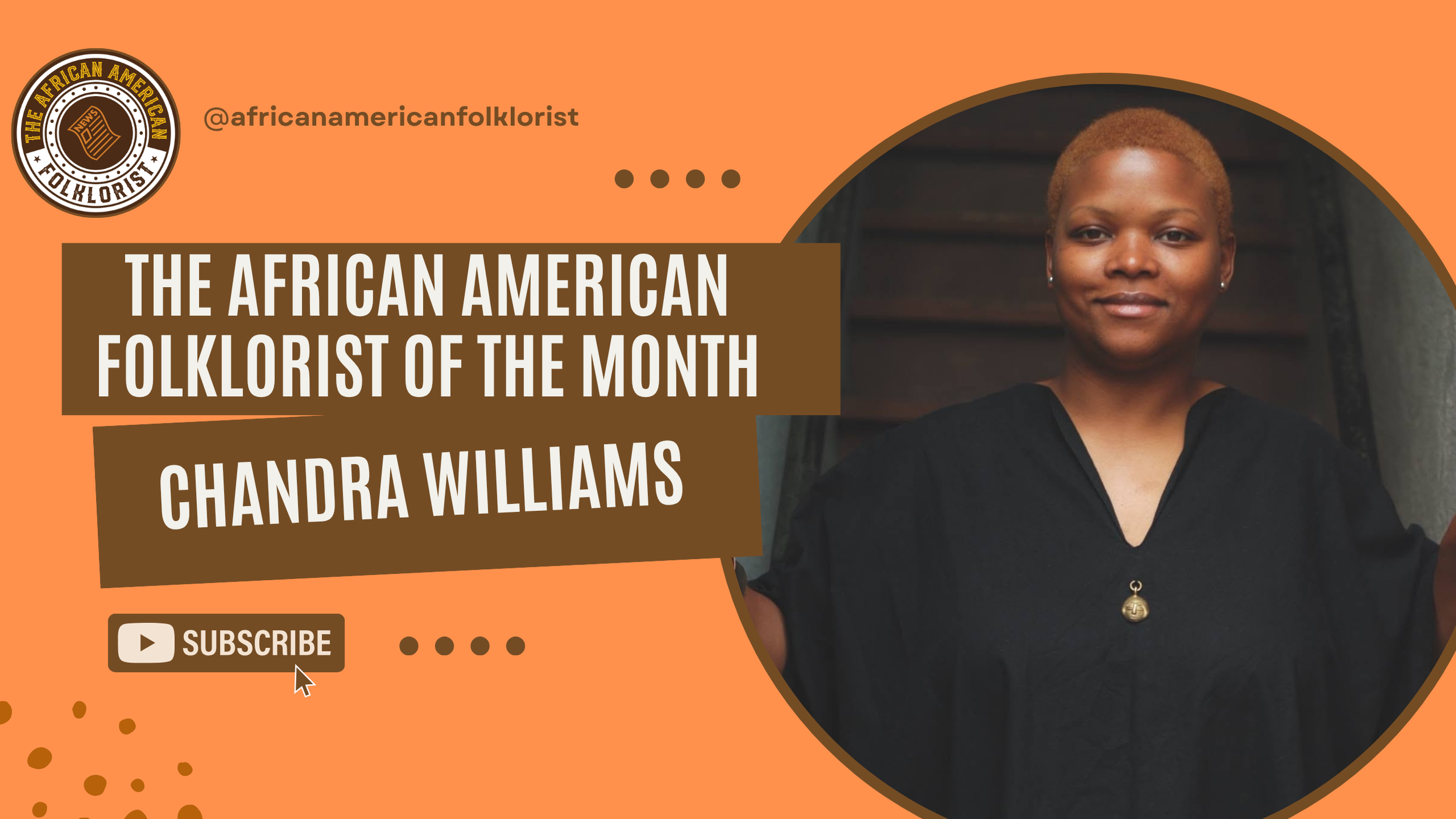
Art, Blues, and Community Healing: A Conversation with Chandra Williams
In this episode of The African American Folklorist, we sit down with Chandra Williams, artist, educator, community healer, and Executive Director of Crossroads Cultural Arts Center in Clarksdale, Mississippi. Chandra is the African American Folklorist for the Month of July!
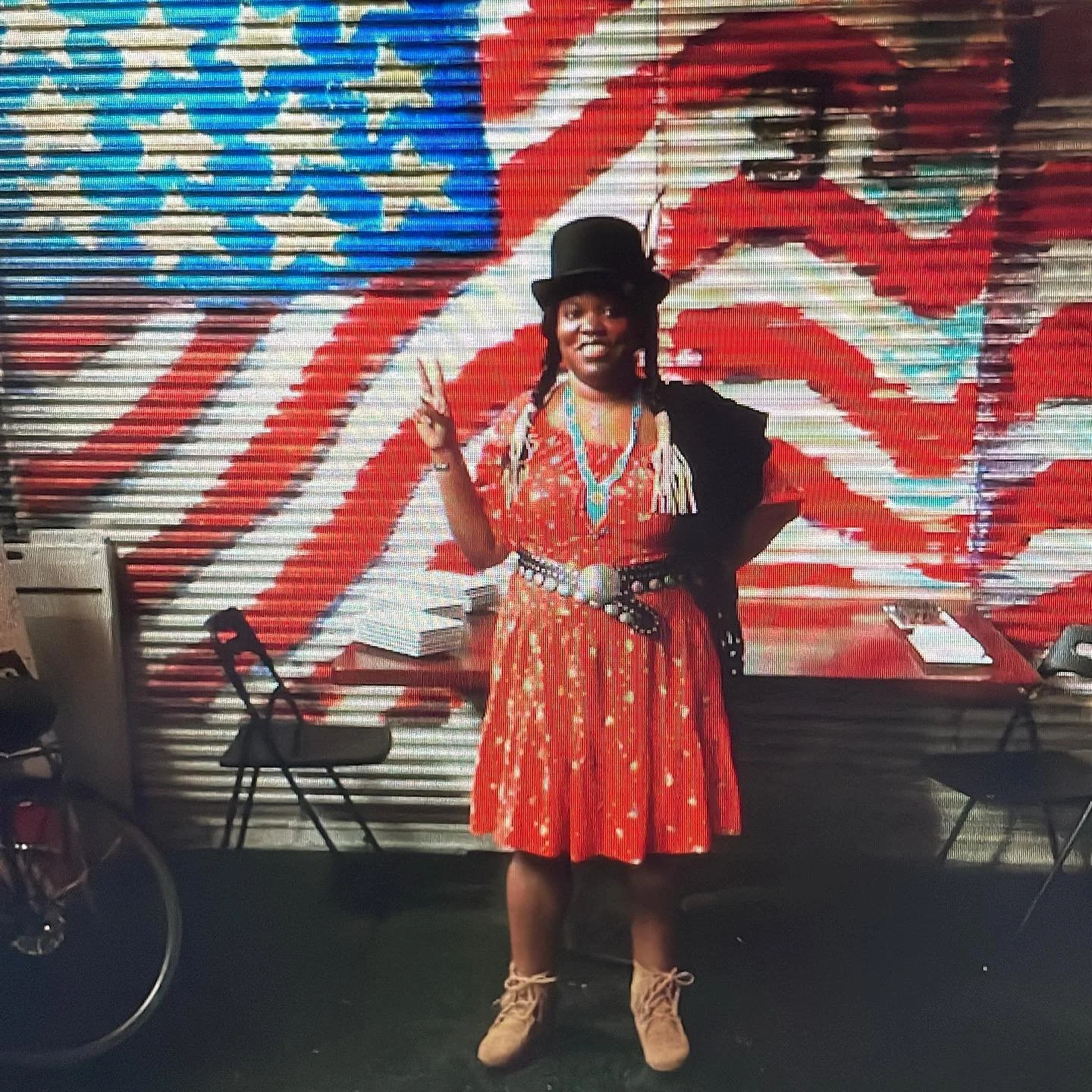
AMERICA NEEDS INDIANS: A RIFF ON NATIVE AMERICANA MUSIC
Afro-Native musicians bear intersectional identities, navigating a complex space wherein we blend indigenous and African diasporic cultural traditions. Being black and native we share the background of being traumatized by settler colonialism and sometimes even disenfranchised by our own nations. Indigenous erasure is also our plight. We share connection to the land and our Ancestors. And we are personally motivated to be involved in political and social movements in which we use our voices to help raise awareness about issues that affect both Indian Country and Black America.
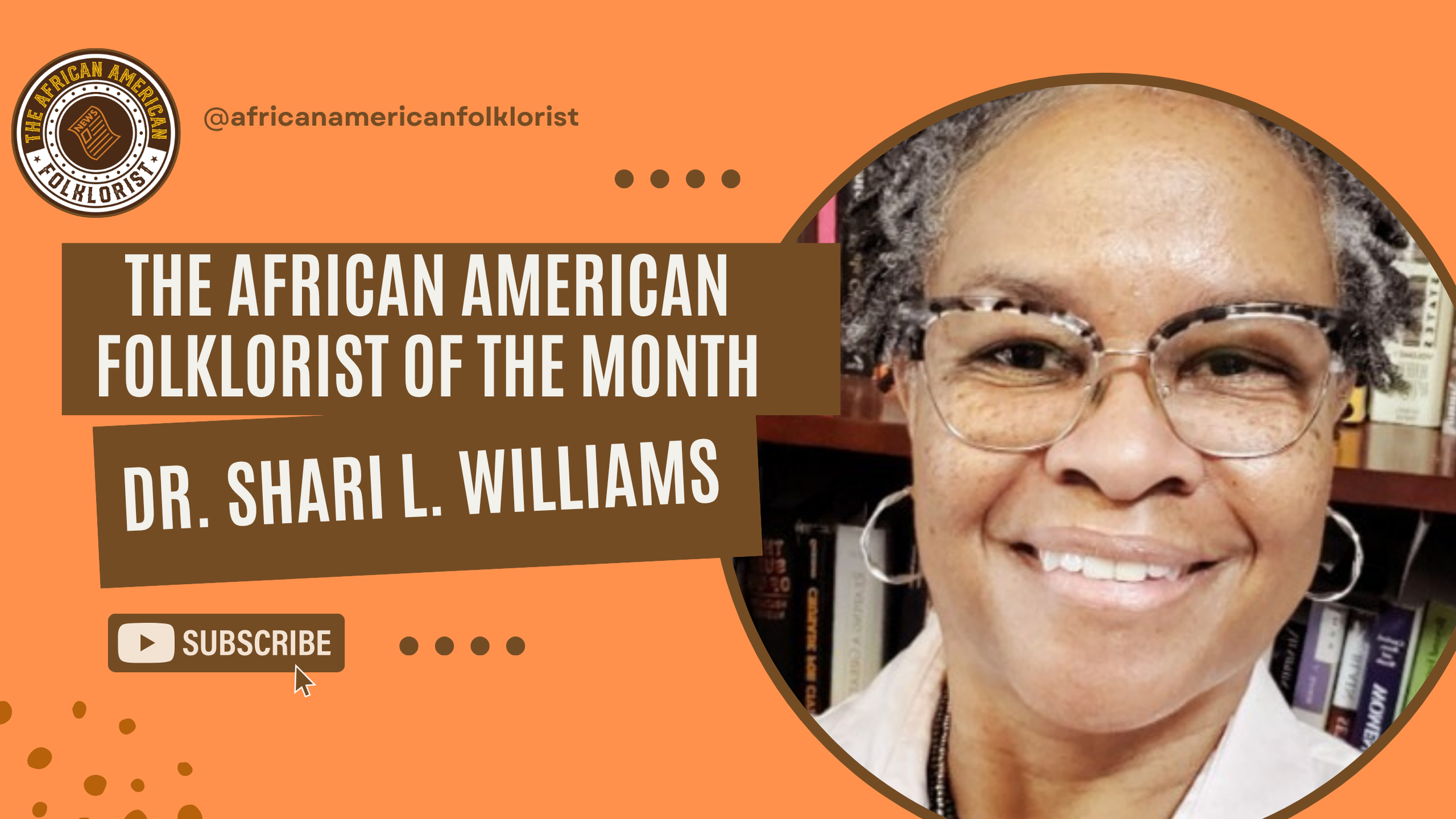
Dr. Shari L. Williams: Along the Ridge: Black Belt Memory, Rural Landscapes, and the Public History Work
For June’s African American Folklorist of the Month, we honor Dr. Shari L. Williams, a public historian, independent scholar, preservationist, and cultural steward whose work centers the historical and cultural landscapes of Alabama’s Black Belt. As the first African American woman to earn a Ph.D. in History from Auburn University, Dr. Williams brings a powerful scholarly and community-rooted perspective to the study of rural historic landscapes, Black social history, genealogy, cemeteries, archaeology, and cultural traditions.
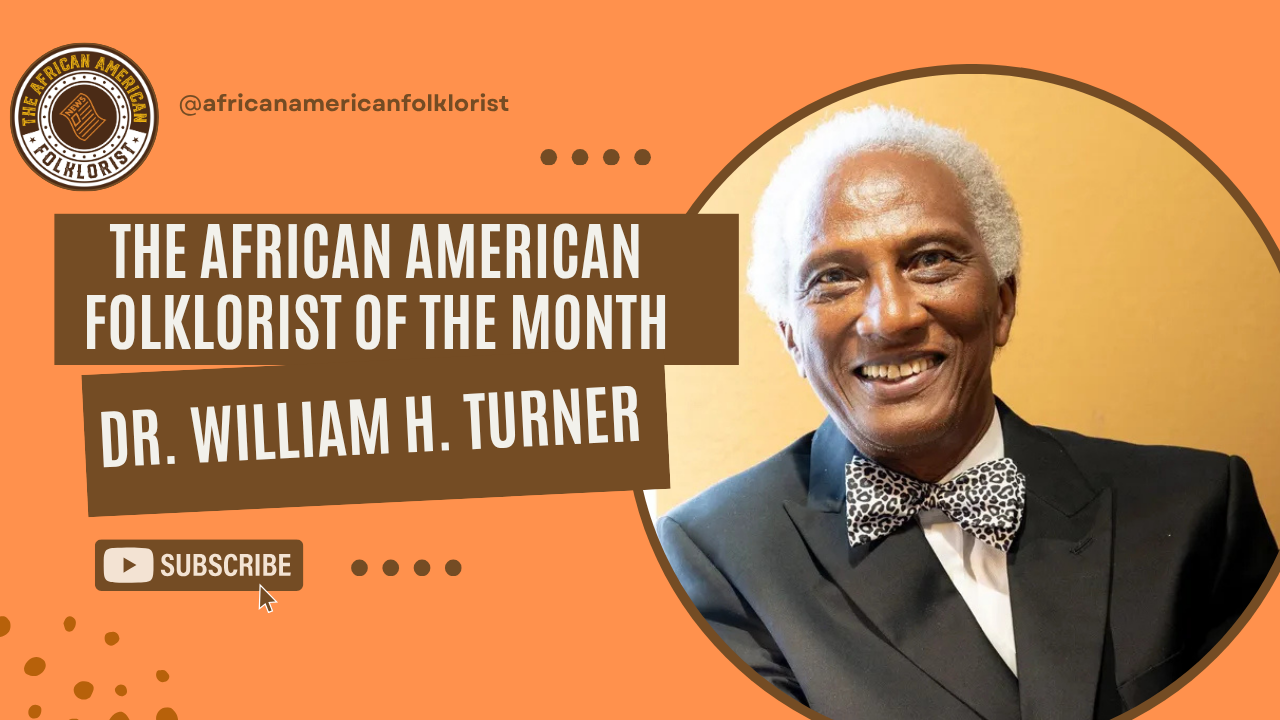
Dr. William H. Turner: Black Appalachia, Coal Camp Memory, and the Folklore of Our People
Dr. Turner is a distinguished sociologist, author, and one of the most important voices documenting and preserving Black life in Appalachia. His work has helped correct one of the most enduring myths in American history: the false idea that Appalachia is, and always has been, only white.
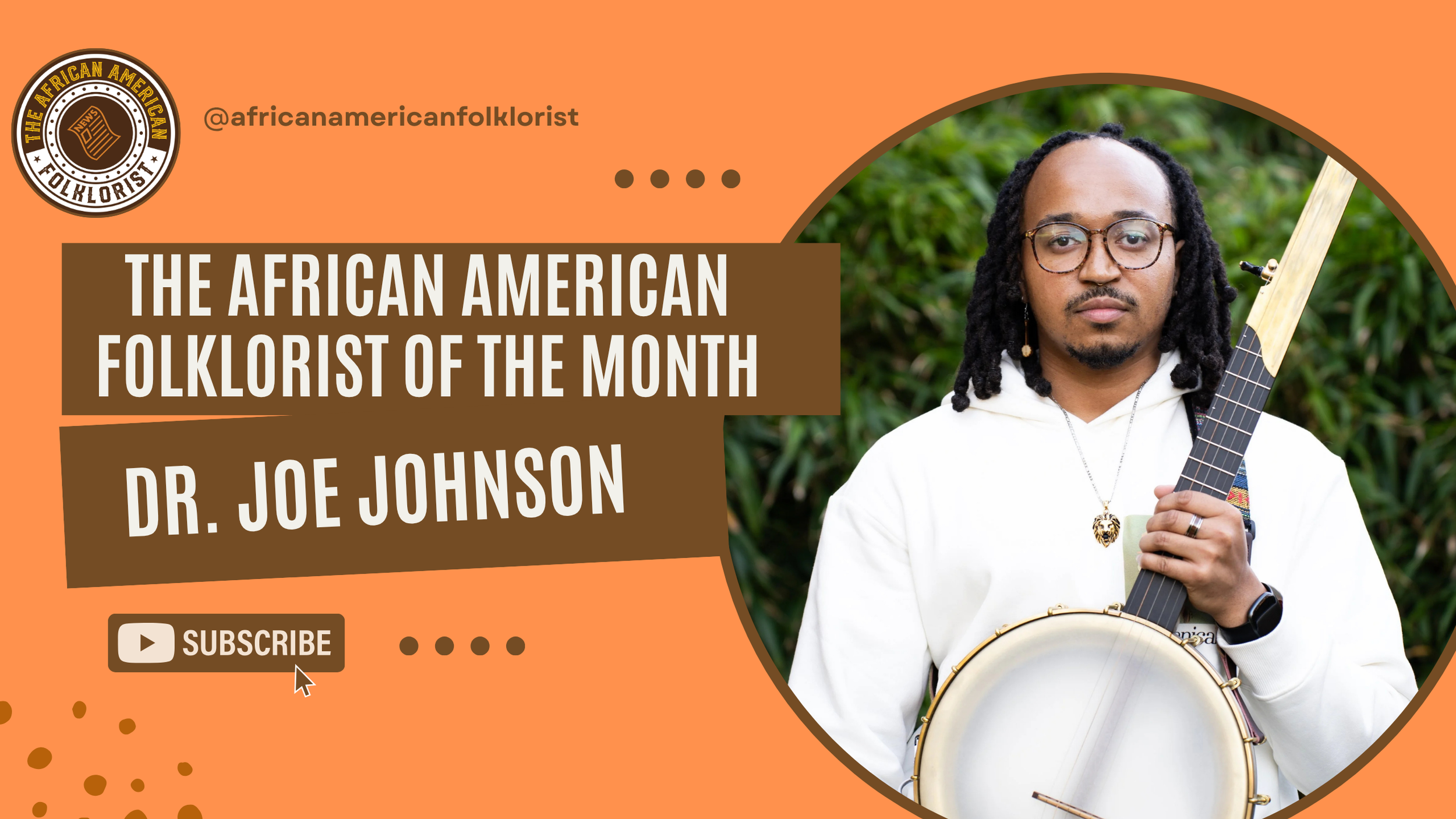
A Reclaiming the Banjo — Joe Zavaan Johnson and the Work of Black Musical Recovery
The African American Folklorist is honored to spotlight Joe Zavaan Johnson in April. Dr. Johnson is a multi-instrumentalist, arts educator, and Black music researcher whose work is helping return the banjo to its rightful place inside Black history, Black memory, and Black cultural practice.
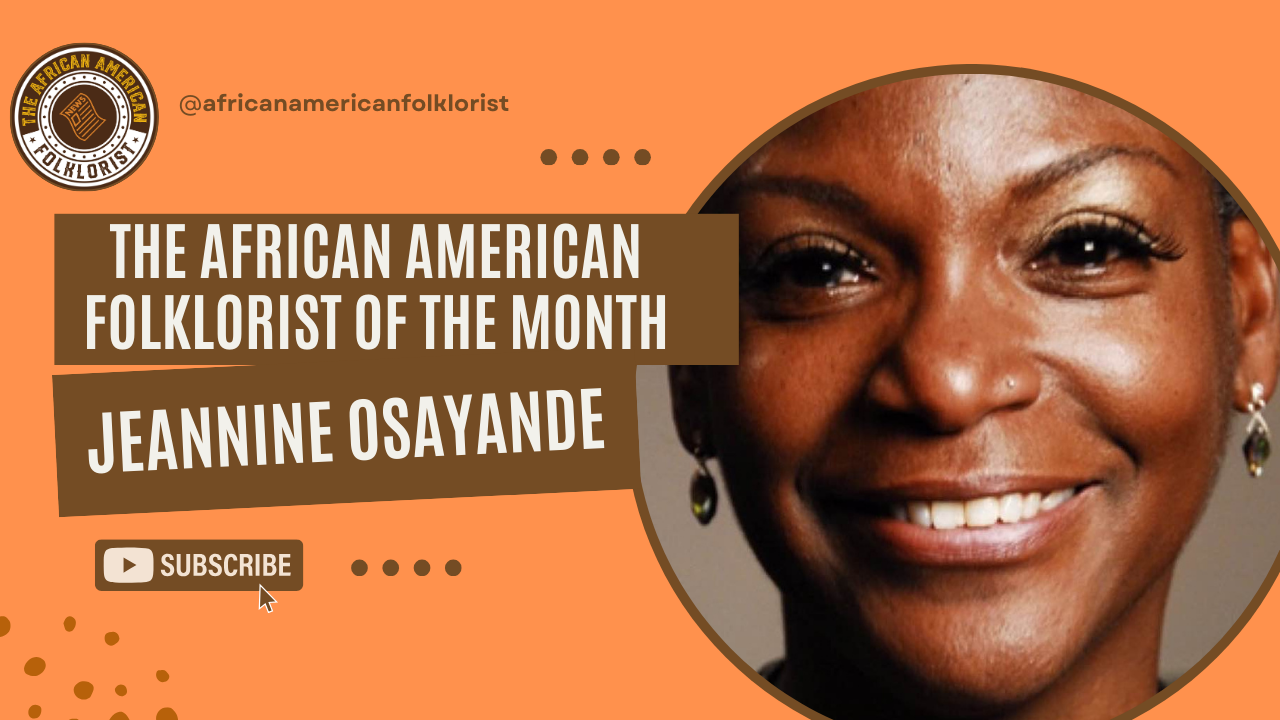
Mama Jeannine Osayande: Dancing the Archive, Embodying Folklore, & Community Advocacy
This month, The African American Folklorist is honored to recognize Mama Jeannine Osayande as our African American Folklorist of the Month for March (Women’s History month), a cultural steward whose life’s work proves that folklore is not simply remembered. It is performed, protected, practiced, and passed on.
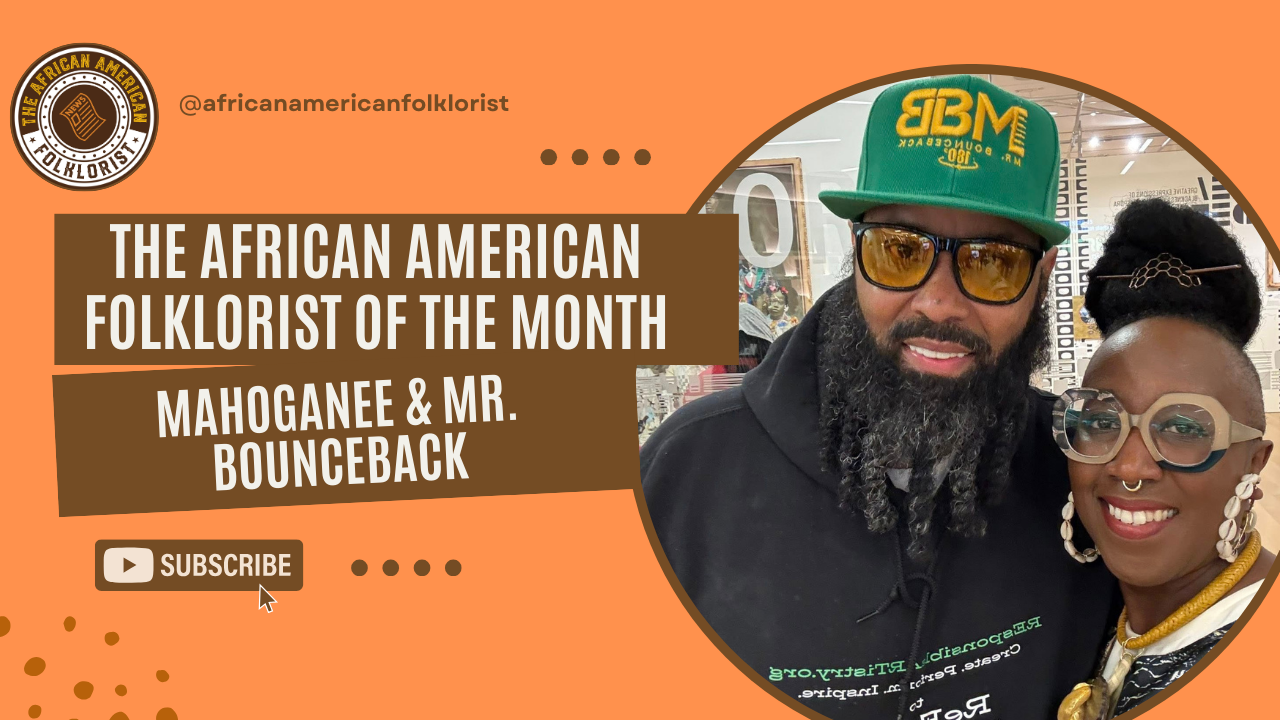
The African American Folklorist for the Month of February
For February’s African American Folklorist feature, I sat down with Mahoganee, the Gullah/Geechee Lowcountry “Sea Island Songbird,” and her husband/producer André “Mr. Bounce Back” Amigér for a conversation rooted in heritage, sound, and responsibility. Together they create what they call Indigenous Soul Music—a trans-Atlantic blend of jazz (Black classical), funk, blues, hip-hop, and West African/Caribbean influence shaped by Gullah/Geechee cultural memory.
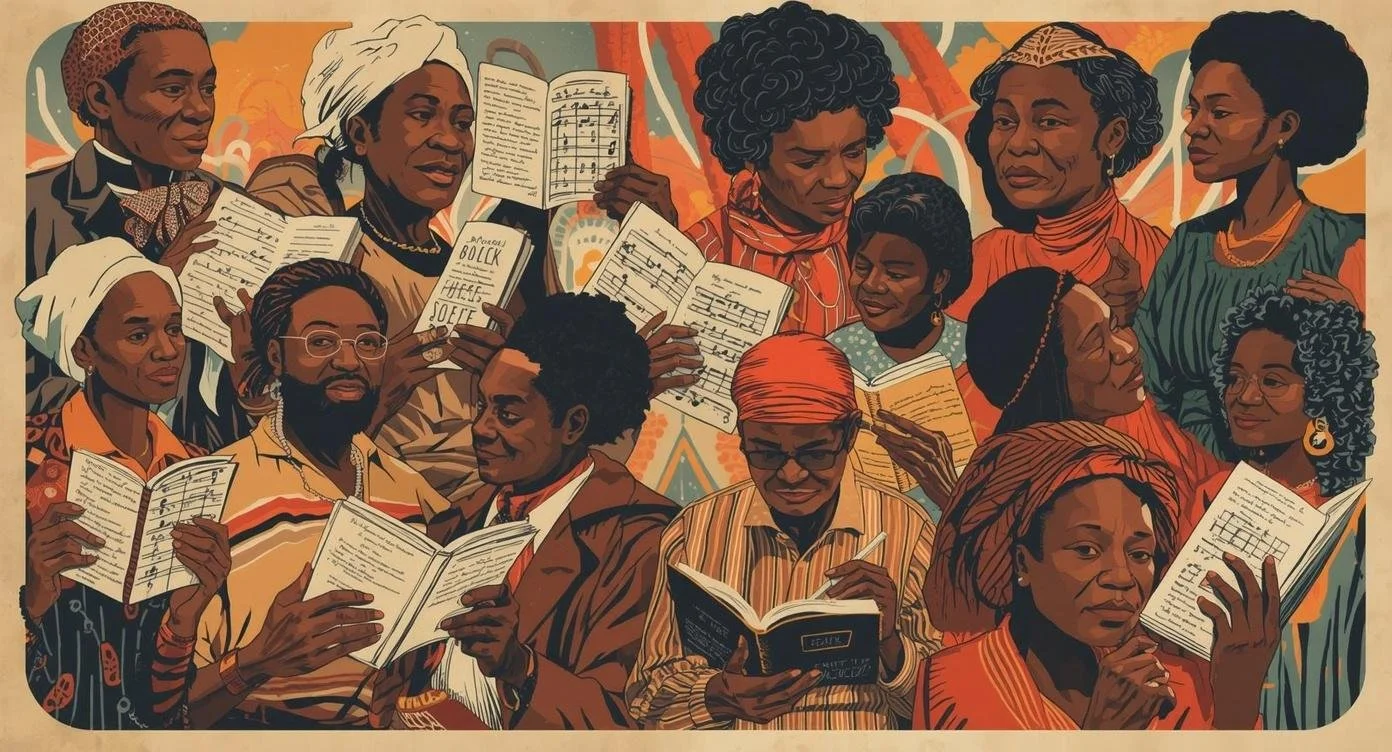
The African American Folklorist Manifesto
All who are under the umbrella of African Americans and Black Americans have to look no further, as this is the manifesto for the raising our voice, representation, story, legacy, and repository. Our scholarship is not questioned in OUR space that we share with “other.” You, we, have the final say in how our perspective, language, communication, and expression are shared. I AM BLUES PEOPLE!
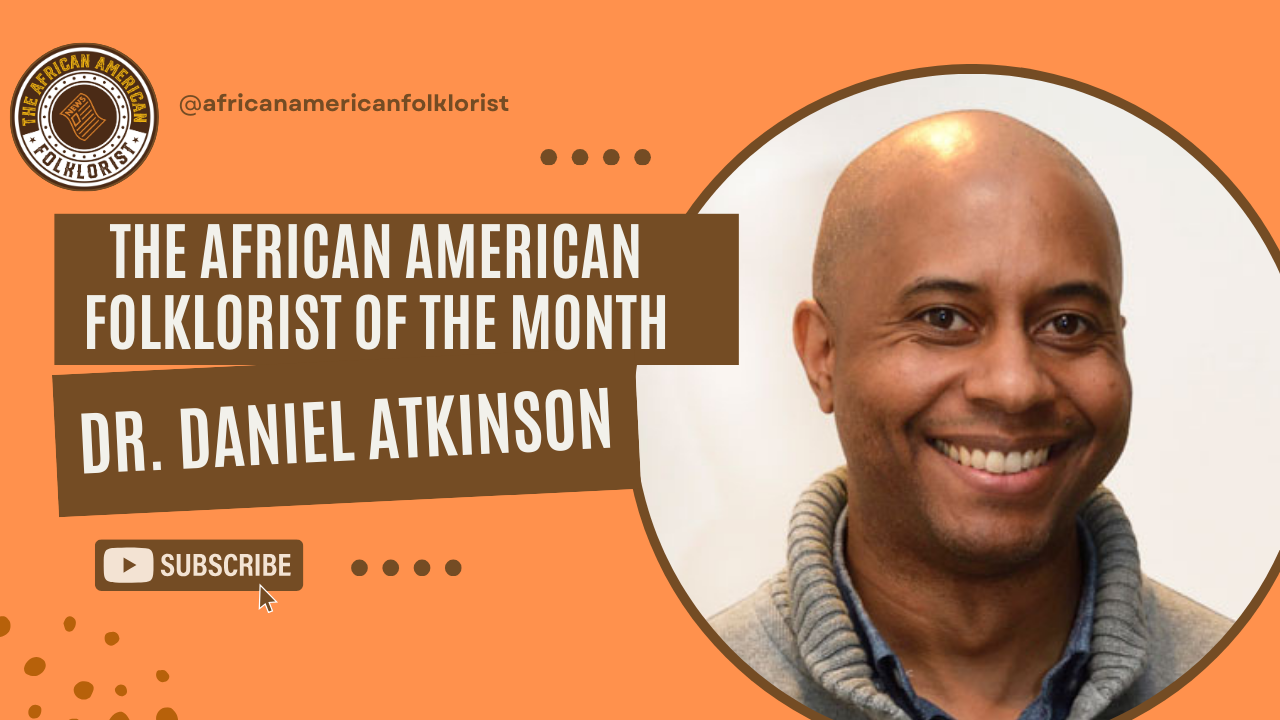
African American Folklorist for January - DR. Daniel Atkinson
Our January African American Folklorist conversation opens with a reminder that folklore is not something we merely study, it is something we carry, protect, and live inside of. This episode features Daniel E. Atkinson, an independent ethnomusicologist and cultural documentarian whose work insists that sound, memory, and responsibility are inseparable.
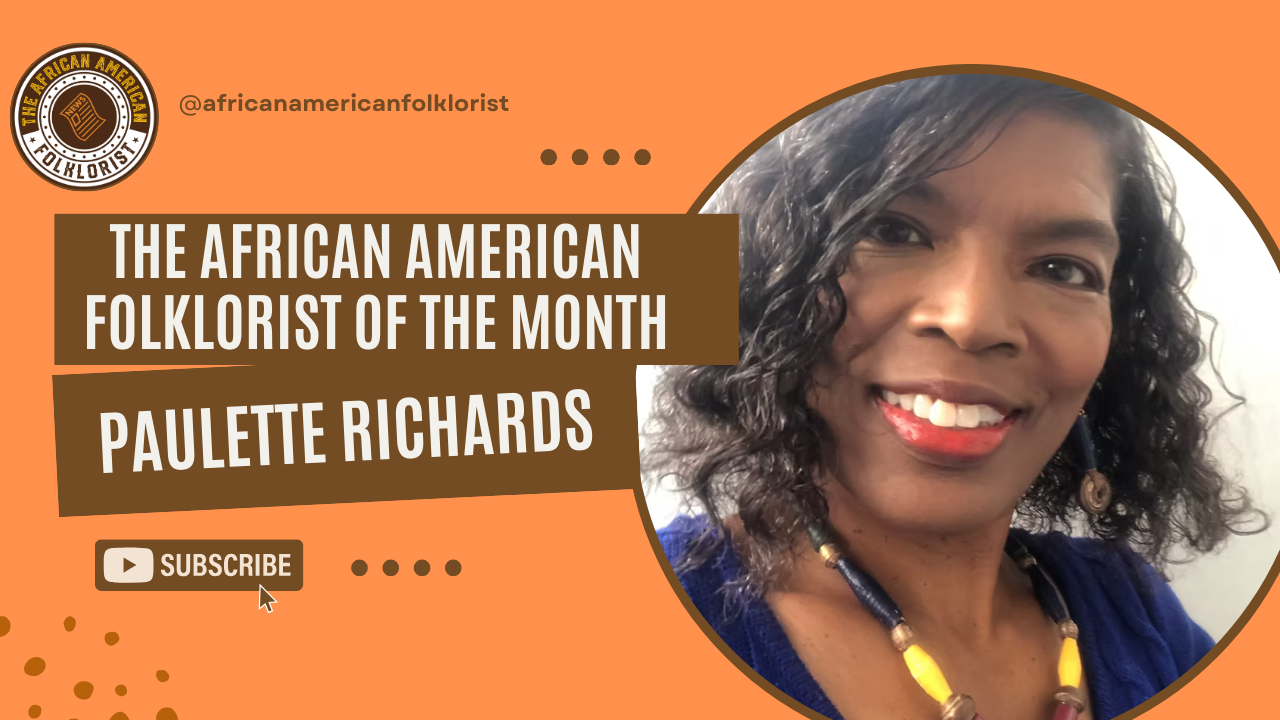
African American Folklorist of the Month: Dr. Paulette Richards
In our December feature of The African American Folklorist, we highlight the extraordinary work of Dr. Paulette Richards, a pioneering scholar, filmmaker, educator, and one of the most influential voices in African American object performance today. This episode explores how Dr. Richards transforms puppets, folk songs, and low-tech digital tools into powerful vessels for historical remembrance, artistic resistance, and cultural healing.