
AFRO-INDIGENOUS FOLKLORE
Myths, Legends, and the Wisdom of Ancestors
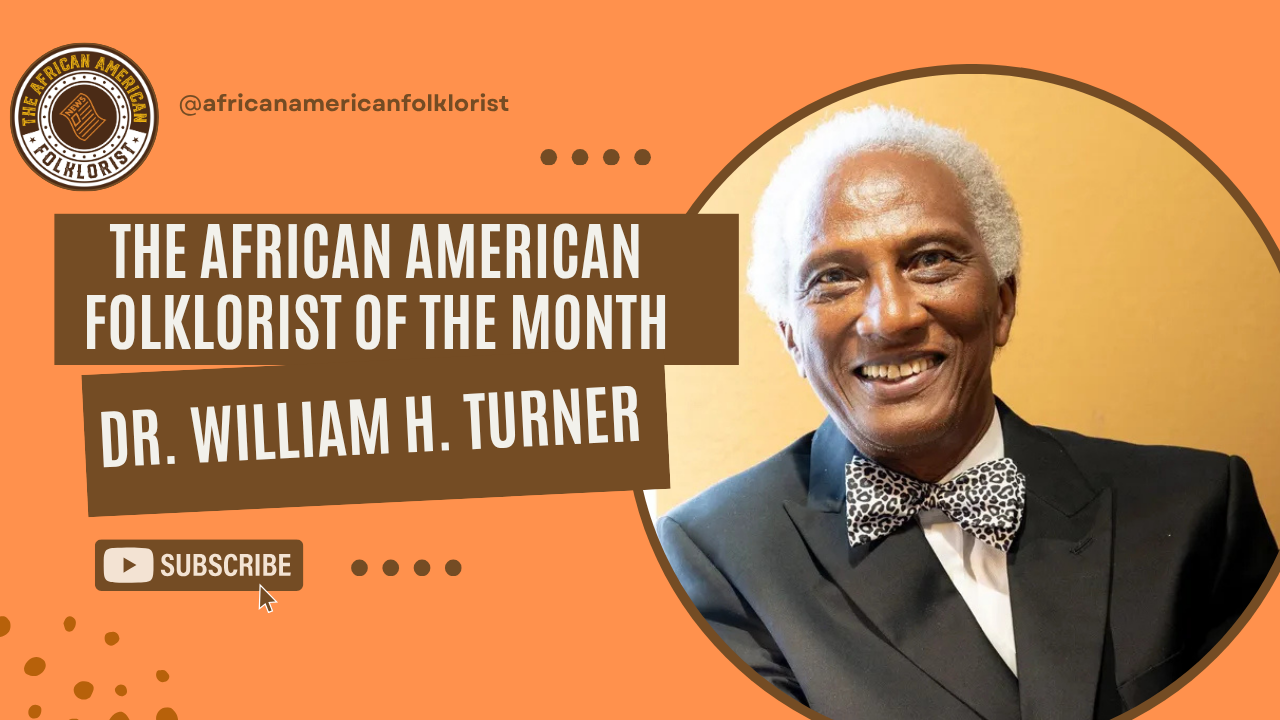
Dr. William H. Turner: Black Appalachia, Coal Camp Memory, and the Folklore of Our People
Dr. Turner is a distinguished sociologist, author, and one of the most important voices documenting and preserving Black life in Appalachia. His work has helped correct one of the most enduring myths in American history: the false idea that Appalachia is, and always has been, only white.
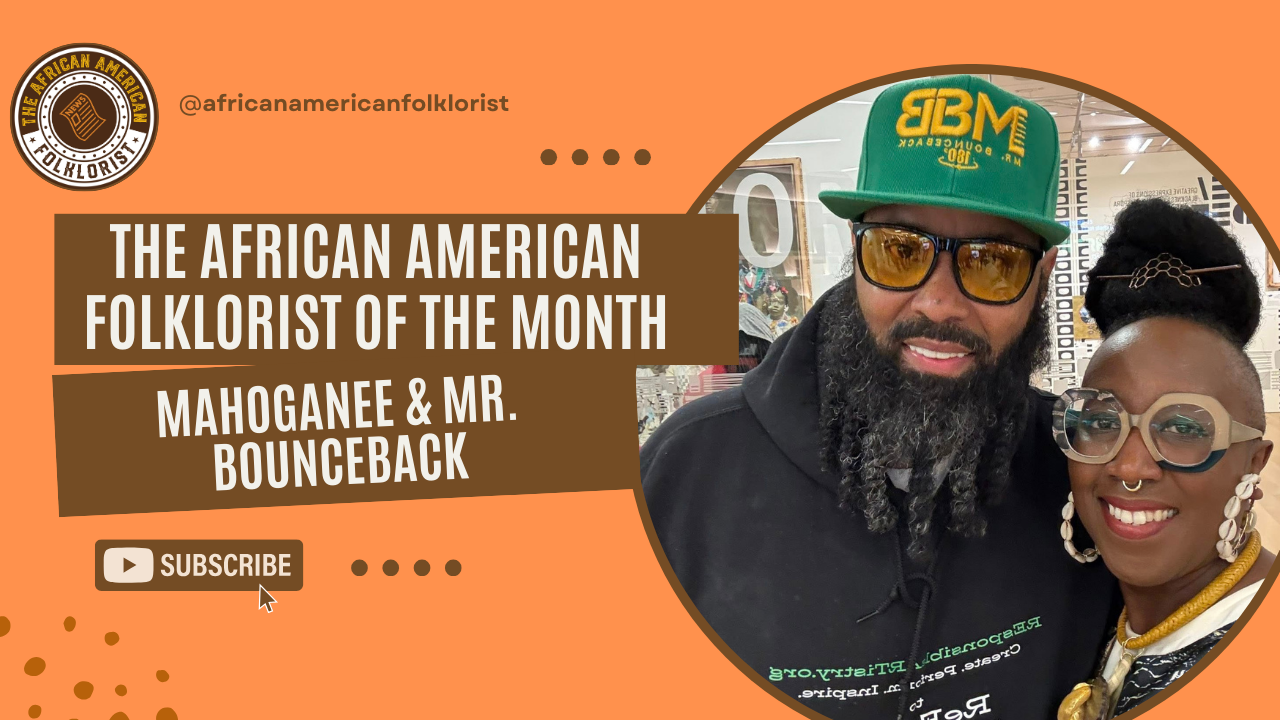
The African American Folklorist for the Month of February
For February’s African American Folklorist feature, I sat down with Mahoganee, the Gullah/Geechee Lowcountry “Sea Island Songbird,” and her husband/producer André “Mr. Bounce Back” Amigér for a conversation rooted in heritage, sound, and responsibility. Together they create what they call Indigenous Soul Music—a trans-Atlantic blend of jazz (Black classical), funk, blues, hip-hop, and West African/Caribbean influence shaped by Gullah/Geechee cultural memory.
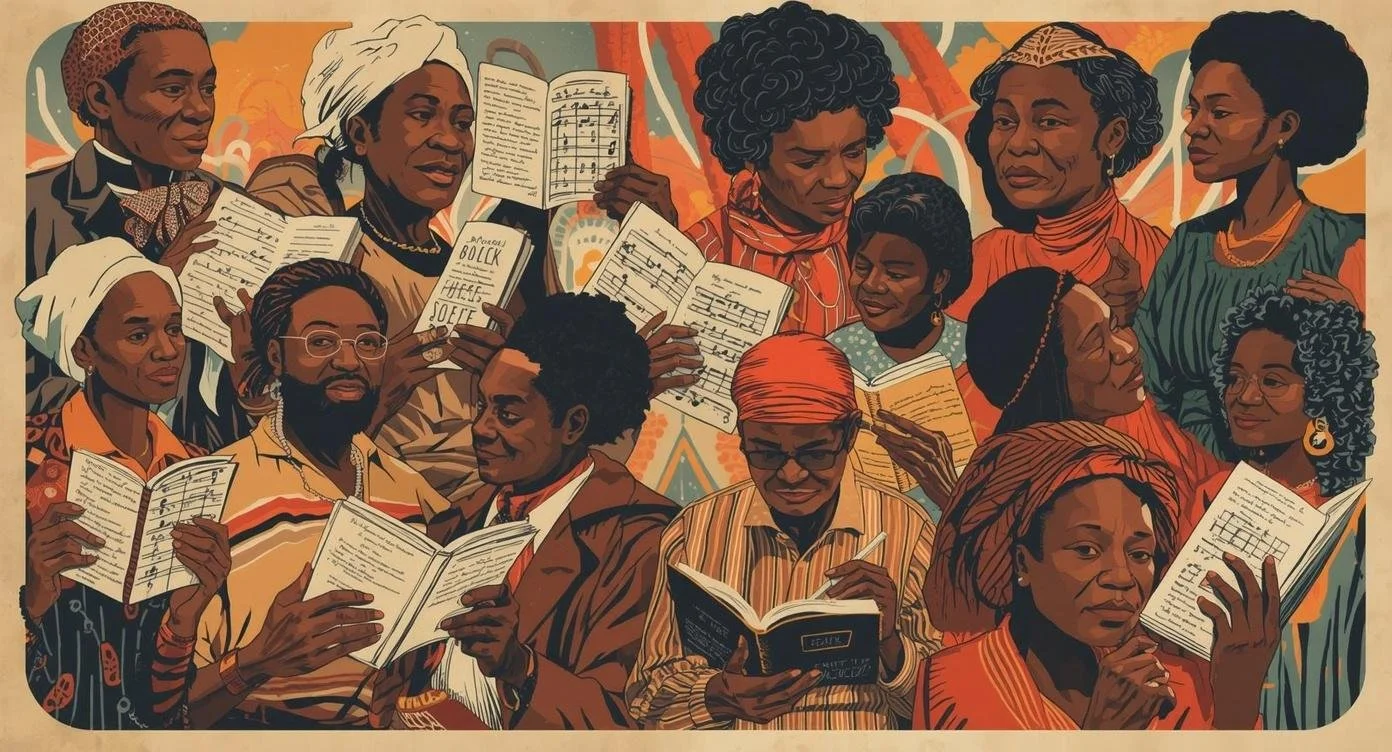
The African American Folklorist Manifesto
All who are under the umbrella of African Americans and Black Americans have to look no further, as this is the manifesto for the raising our voice, representation, story, legacy, and repository. Our scholarship is not questioned in OUR space that we share with “other.” You, we, have the final say in how our perspective, language, communication, and expression are shared. I AM BLUES PEOPLE!
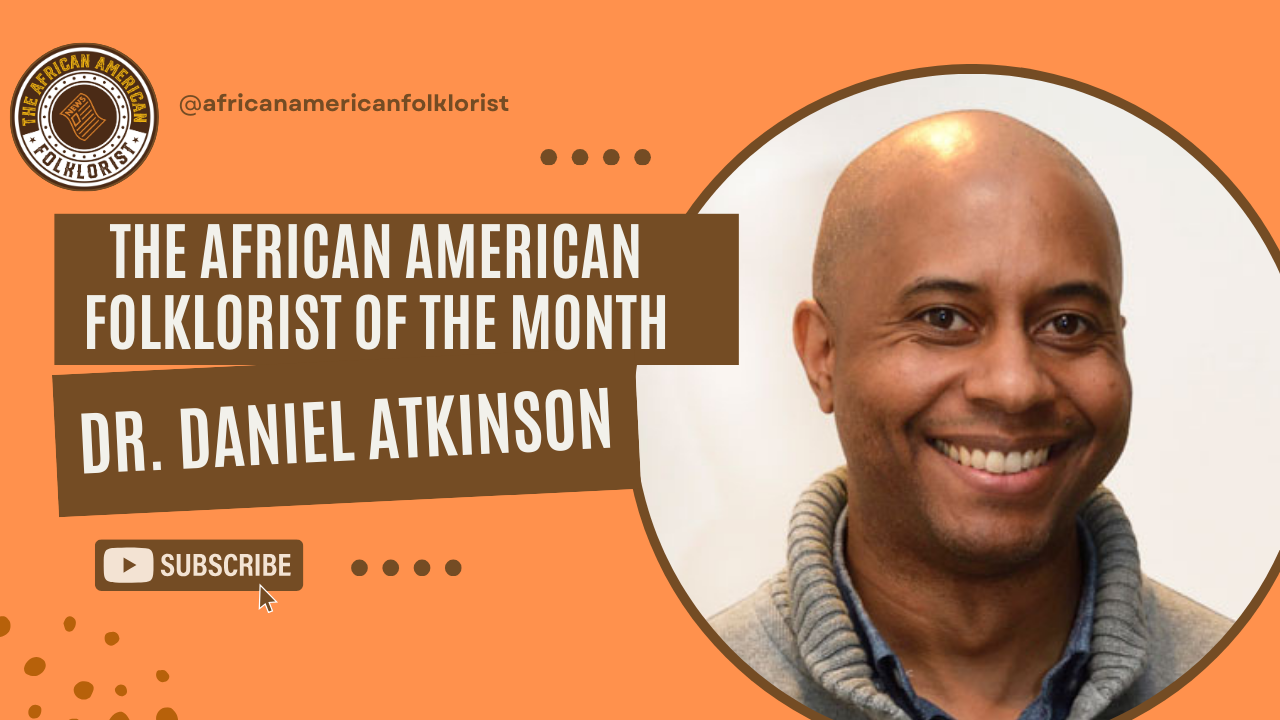
African American Folklorist for January - DR. Daniel Atkinson
Our January African American Folklorist conversation opens with a reminder that folklore is not something we merely study, it is something we carry, protect, and live inside of. This episode features Daniel E. Atkinson, an independent ethnomusicologist and cultural documentarian whose work insists that sound, memory, and responsibility are inseparable.
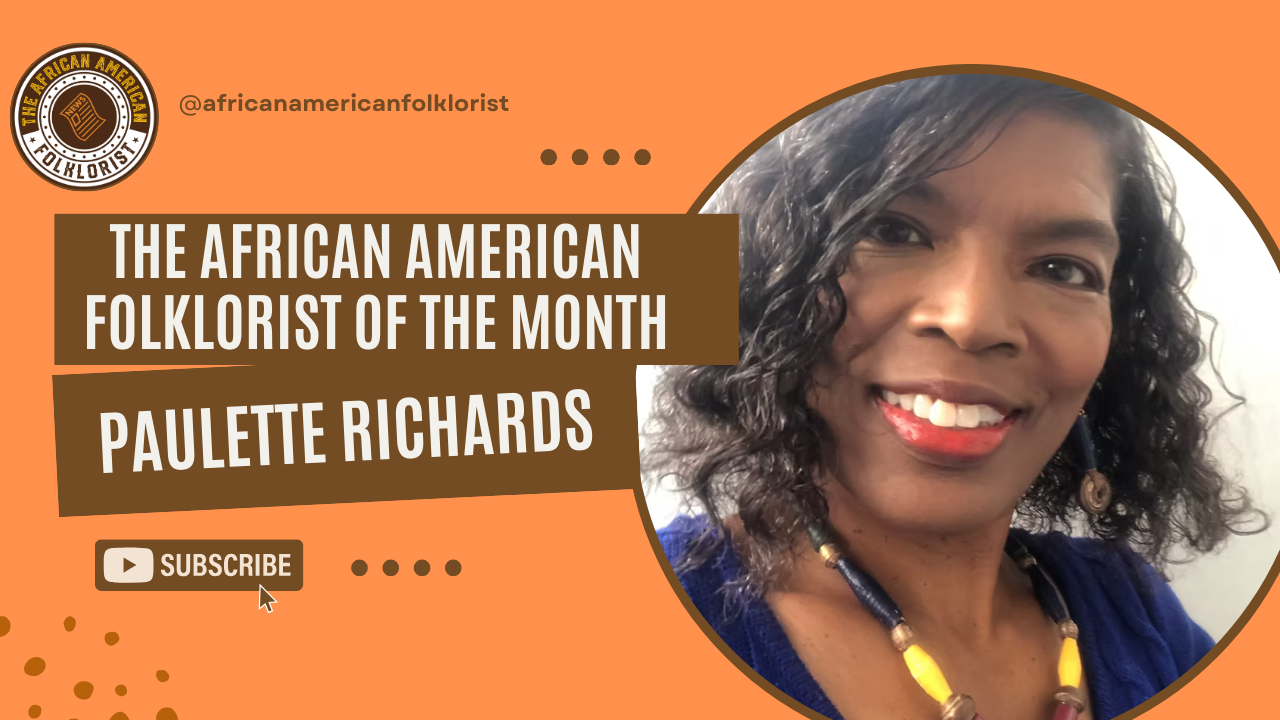
African American Folklorist of the Month: Dr. Paulette Richards
In our December feature of The African American Folklorist, we highlight the extraordinary work of Dr. Paulette Richards, a pioneering scholar, filmmaker, educator, and one of the most influential voices in African American object performance today. This episode explores how Dr. Richards transforms puppets, folk songs, and low-tech digital tools into powerful vessels for historical remembrance, artistic resistance, and cultural healing.

William Still: Black Ethnographer of the Underground
William Still wasn’t just recording history. He was practicing a distinctly Black ethnographic methodology grounded in survival, storytelling, and freedom.

“The Archive Is Alive: We Are What They Imagined”
In the Black folk tradition, we say the ancestors are always speaking. You just have to listen. The African American Folklorist was born out of that deep listening. It is not simply a magazine, platform, or project—it is a response. A call and response, to be exact. We are answering the calls of those who came before, affirming their intellectual labor, carrying forward their cultural vision, and transforming their blueprints into living, breathing work.

~Cutting Ties~ Poem
Sometimes...
you gotta let go of hands that once held you,
just to hold on to yourself.
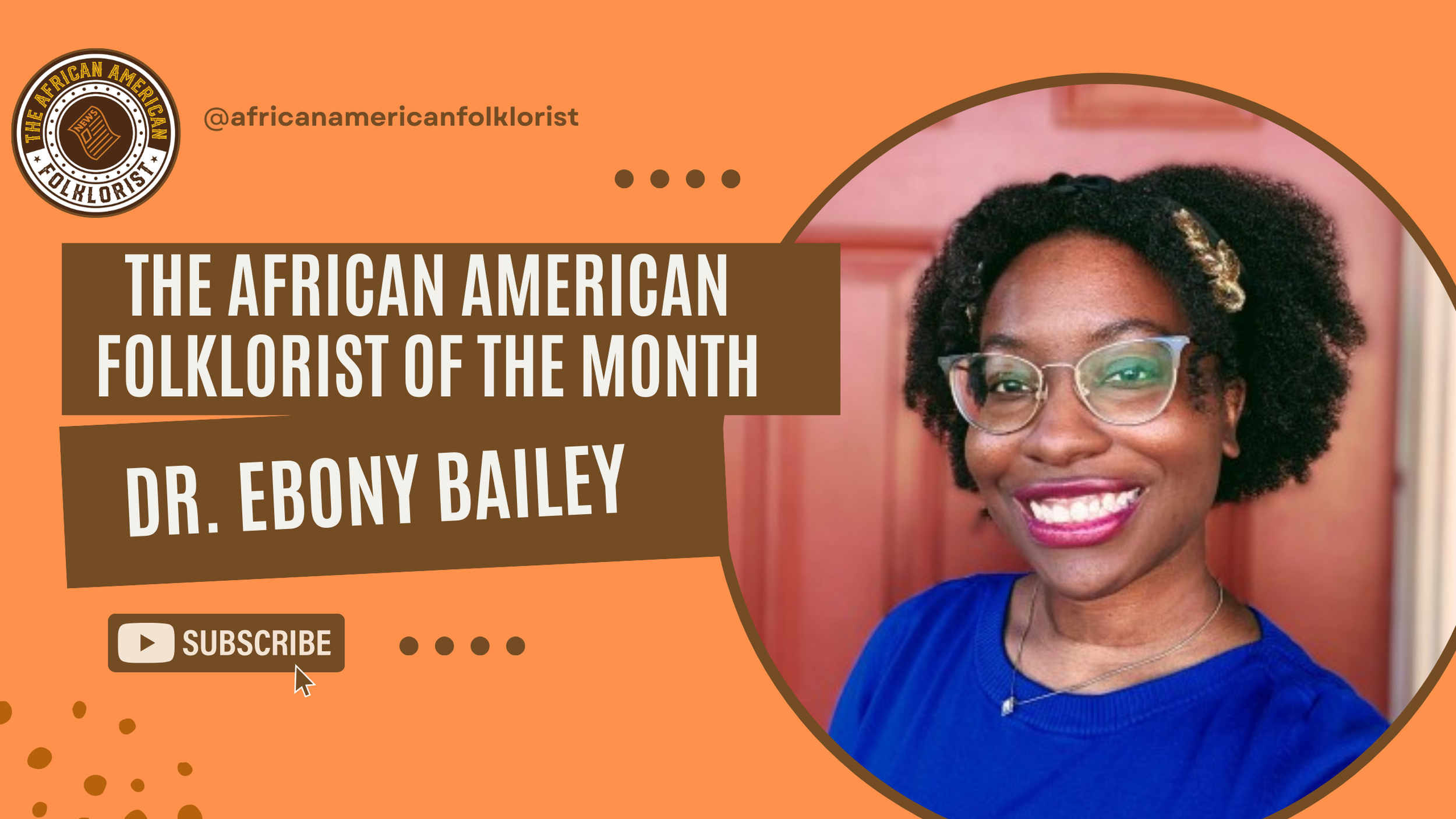
The African American Folklorist of the Month of May - Dr. Ebony Bailey
In this episode of The African American Folklorist, we honor Dr. Ebony Bailey as Folklorist of the month of May. Dr. Bailey is a dynamic scholar, writer, and cultural worker whose groundbreaking research intersects Black Literature and Folklore. Dr. Bailey explores how African Americans have historically been both represented as “the folk” and how they have powerfully redefined that term through literature, activism, and cultural intervention.

The African American Folklorist of The Month - April Edition: Featuring Dr. Constance Bailey
In this month’s episode of The African American Folklorist, we shine a spotlight on Dr. Constance Bailey—Assistant Professor of African American Literature and Folklore at Georgia State University, and an innovative scholar whose research explores Black women’s comedy, speculative fiction, and African American oral traditions.

Kodak’s Hidden History: Frankie Taylor Jones and the Black Appalachian Coal Camp Experience
We looked forward to sailing paper-made boats down the creek, swinging across the creek on an old tire suspended from a rope tied to a branch far up in a tree, playing on the coal train cars, even when we knew better! It was always a treat to visit Uncle Ralph, Aunt Frankie and our cousins there in the coal camp.

Blues, Folklore, and Black Identity: A Legacy of Resistance and Revival
On this day, March 6, we recognize significant moments in both blues history and the broader landscape of Black American folklore. From the birth of blues legend Furry Lewis to the infamous Dred Scott decision and the enduring legacy of folkloric themes in his lyrics…

African American Folklorist of the month - Dr. anika wilson
On this episode, speak with Dr. Anika Wilson, The African American Folklorist of the Month for March! Wilson discusses her book, methodology, scholarship, and positionality as a Black Academic.

African American Folklorist Of the Month - Dr. Raymond Summerville
Dr. Raymond Summerville joins me, as he is the African American Folklorist of February, to discuss the importance of having more Black Folklore scholars

African American Folklorist of the Month - Larry Handy
Larry Handy is a folklife poet who joins us to discuss his Journey to Folklore, Folk Consciousness, and his project "Tour of Duty," LA Protest Memoir.

Remembering Fred Shannon
One hundred years since Fred Shannon’s life was stolen by a mob of white men in a small town in Eastern Kentucky. As I stand here, in this place, I can’t help but feel the weight of that century—one hundred years of silence, unanswered questions, and untold pain.

Cultural Conservation - The Attack on Blues Legacy and Land
In February of 2024, the Mississippi John Hurt Museum burned. The fire, believed to have been set intentionally

And the Oscar Goes To…Blacks, the Academy, and Representation.
McDaniel was only allowed into the venue with a strict “No Blacks” policy as a favor, and even then, she was segregated to her table in the very back of the room. No other blacks won that specific award again until Whoopie Goldberg did for her performance in the 1990 film Ghost.

You Have A Home!
We no longer need to rely on any other platform to share, publish, or even interrogate our narratives.
After a long-time supporter contacted me and shared how we are significant in disseminating and distributing the Blues People story, I felt it necessary to put the call out!

Miss Mae Remembers
Miss Mae remembers the small crowds
when you came in as Ma Rainey left town,
taking with her all their money and their hearts;
but huge crowds for her - and Bessie's - closing shows.