
arts & culture
Honoring Expression Rooted in Memory and Movement
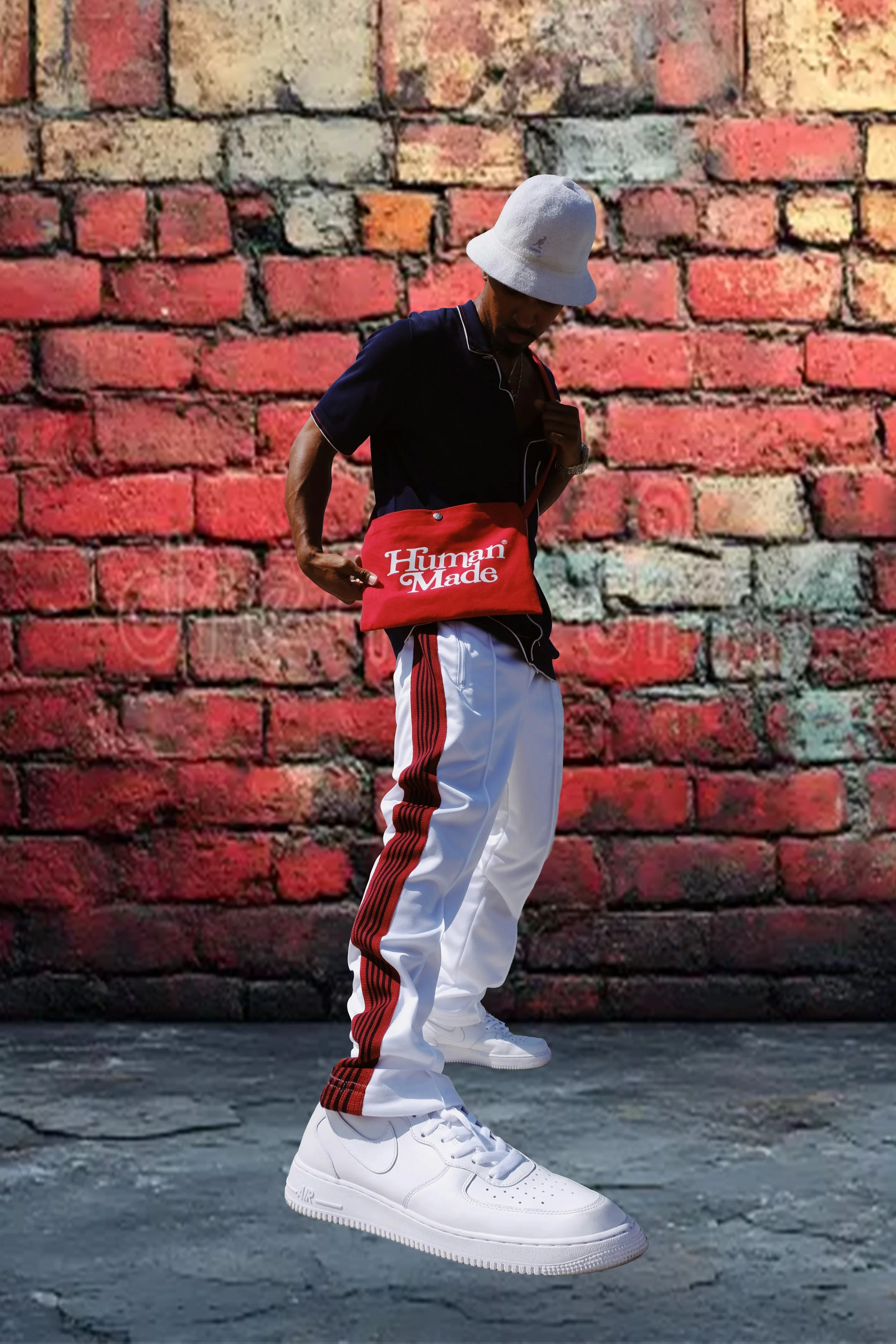
If The SHoe Fits
They talk about good intentions—where?
All I see are their hands, their eyes, their whispers,
and it tells a different story.
Poem by: Dee Parker
They talk about good intentions—where?
All I see are their hands, their eyes, their whispers,
and it tells a different story.
They want me small.
They want my wins crushed, stolen,
or handed to someone else
so they can feel bigger.
Claiming they got my back
while throwing my mistakes
like daggers, using my mishaps for target practice.
Aren’t we supposed to lift each other as we rise?
Push each other to be great?
Instead, some make me feel less
just so they can feel better.
Now I see clearly!
It was never about a team,
never about “us.”
It was always them vs. me.
Now, it’s only me vs. me.
I am my own competition.
If you can’t stand beside me
in the storm,
Why would I need you
in the sun?
Speak without screaming.
Listen without waiting to respond.
Rise without dragging others down.
Learn patience.
Learn listening.
Learn to express without anger.
Rise without tearing.
I keep moving.
I keep building.
Even when the world wants me still.
Because in the end,
it’s all small steps…
to a giant.
( Random Thoughts)
D~ Parker 3.15.2026
D.Parker
Social Impact Designer
darryl.parker32@gmail.com
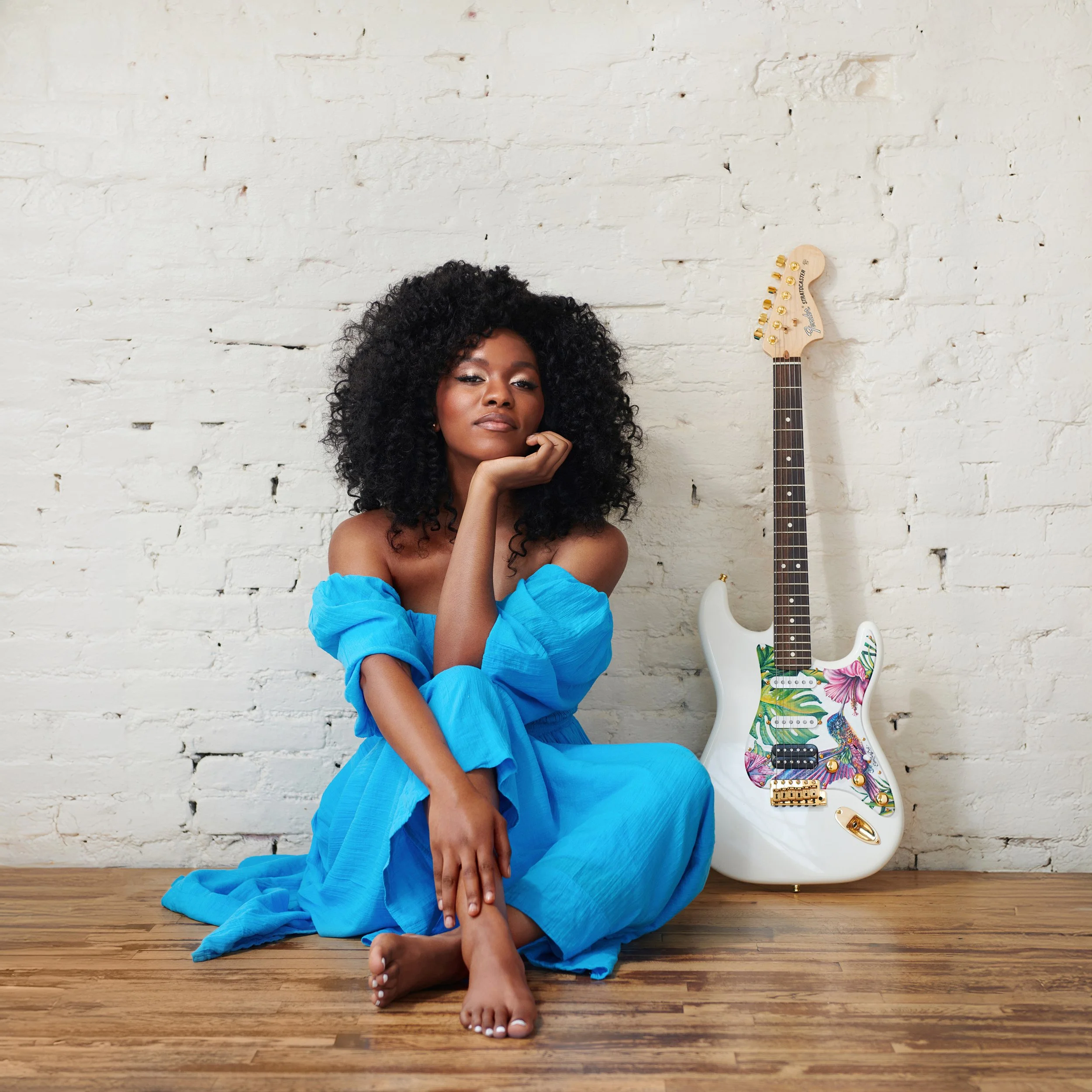
Her Guitar, Her Voice, Her Blues: Evan Nicole Bell and the Black Women Who Shaped a Genre
The success of early Blues women faced a unique blend of gendered expectations and socially defying expression that in some cases broke barriers and in other cases hindered careers. Blues musician Valerie Turner states “…Let’s be honest—role models for contemporary women playing blues guitar are few and far between. This isn’t because they’re not out there; it’s simply because they aren’t well recognized.” (para. 1). This interview is important as it introduces younger readers to a young black woman role model who is keeping the blues alive. That woman’s name is Evan Nicole Bell.
An interview by: Kyle Thompson
Introduction
Black women are an important fixture to the expression of blues as an art form. Black women were the first to record the blues. Mamie Smith’s “Crazy Blues”, released in 1920, sold over 75,000 copies, making it a landmark recording of the time. Other blues vocalists like Ma Rainey and Bessie Smith performed to immense acclaim, entertaining black and white audiences and transcending rural and urban audiences. Across the lifespan of common folk in America, Black people have found solace in communicating the realities of their time through honesty, passion, and humor. Fundamentally, the ability to transmute life’s experiences into entertainment and art is a fundamental aspect of the human condition. In my conversation with Evan Nicole Bell, I spoke with someone from Gen Z – my generation, uplifting a genre that is decades old. As two educated, young black people, we come from a reality light years in difference from the forefathers and foremothers of blues, gospel, and early black popular culture. We reflect a growing interest in Black people and youth across America, spanning beyond class, race, and age. It is therefore important to situate Evan Nicole Bell as an important facet of the genre, as a black woman playing guitar and a vocalist singing a deeply American genre.
The success of early Blues women faced a unique blend of gendered expectations and socially defying expression that in some cases broke barriers and in other cases hindered careers. Blues musician Valerie Turner states “…Let’s be honest—role models for contemporary women playing blues guitar are few and far between. This isn’t because they’re not out there; it’s simply because they aren’t well recognized.” (para. 1). This interview is important as it introduces younger readers to a young black woman role model who is keeping the blues alive. That woman’s name is Evan Nicole Bell.
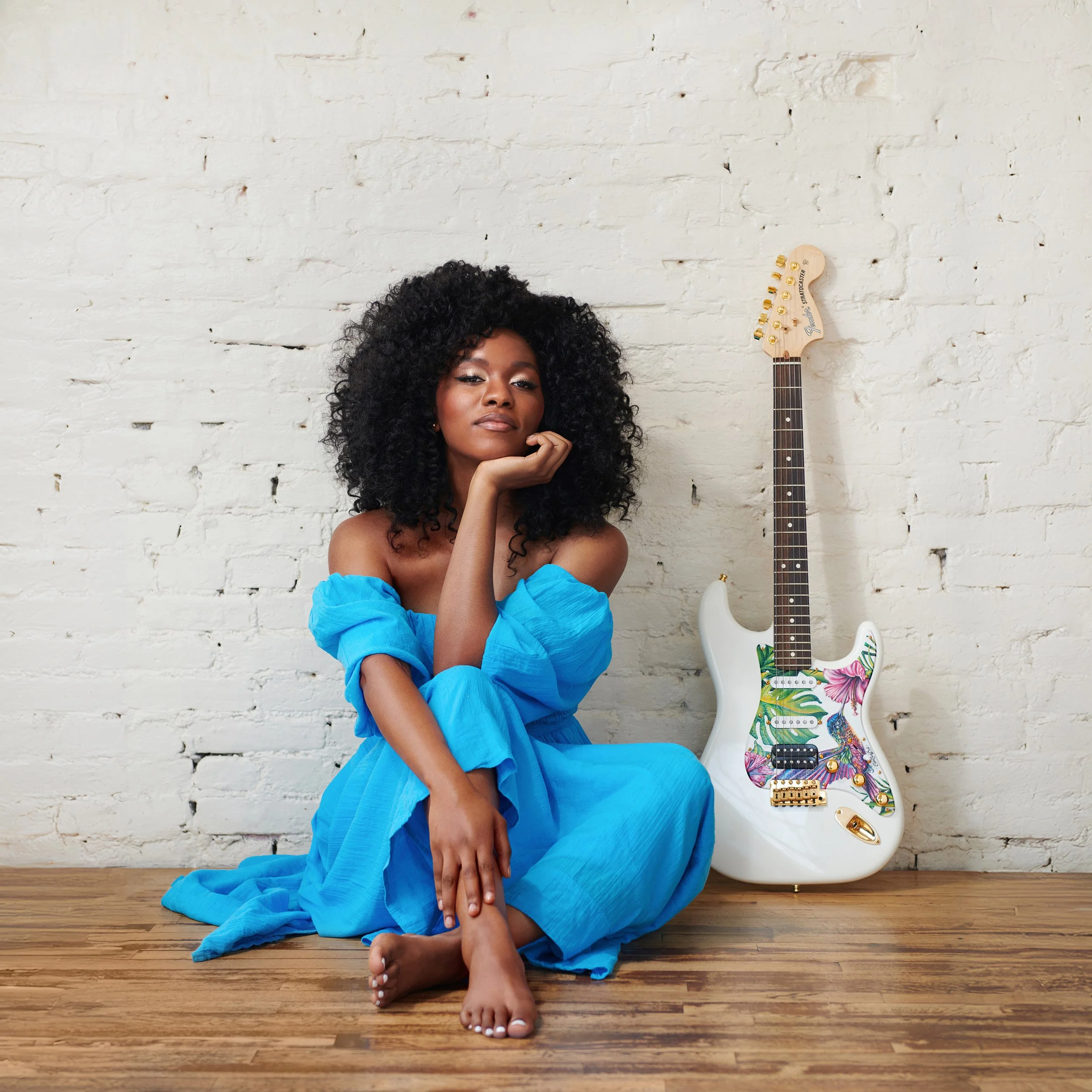
Q: How did you become exposed to the blues?
A: I didn't grow up listening to the blues, but I did grow up in a household that loved music. I was surrounded by whatever my parents were playing–gospel, R&B, Motown–and I also loved pop. The blues didn’t really enter my life until I was 21, when my mom surprised me with an electric guitar for Christmas.
By then, I’d already been playing guitar for about eight years. Mainly classical and acoustic guitar–fingerstyle folk and classical repertoire from composers like Fernando Sor and Francisco Tárrega. So picking up an electric guitar was a completely different sound and feel. I went back to the guitar instructor I’d studied with when I was younger, and we started meeting weekly so I could really learn the instrument from the ground up.
He chose to introduce me to the instrument through the blues, which, at the time, I didn’t fully understand, but in hindsight makes so much sense–the genre and the instrument are inextricably linked. Every week, we’d meet and study the repertoire of a different blues musician. I learned about the pentatonic and blues scales, Dorian mode, micro-bends, and all of the little nuances and motifs that give blues guitar its iconic sound. In about a year’s time, I studied and learned work from more than twenty different blues guitarists, including the Three Kings (B.B., Albert, and Freddie), Buddy Guy, Sister Rosetta Tharpe, Matt “Guitar” Murphy, Lightnin’ Hopkins, Magic Sam, and Sonny Boy Williamson II.
Immersing myself in the blues, studying it, performing it, and understanding it–that changed everything for me. It felt like connecting with an element of my lineage and history that I’d never really known. Black history education is often taught through the lens of social justice movements, which is obviously incredibly important. But it’s just as important to learn about the musicians who shaped all of modern music. Most people know the name B.B. King, but far fewer know Albert King. A lot of people don’t know about Sister Rosetta Tharpe or the influence she had on artists like Little Richard and Elvis. And most people don’t know that Big Mama Thornton was the first artist to record “Hound Dog,” years before Elvis.
Soul-wise, learning electric blues filled something in me that I’d been searching for after I felt like I’d taken acoustic guitar as far as I could at the time. Once I learned blues, I started composing my own songs, rather than interpreting another composer’s work. What I love most about blues guitar is how it can serve as a duet partner. Blues guitar really talks. It’s almost like having somebody singing with me.
Q: What was it like to sit down and learn from these musicians? Was there a difference between when you learned about someone like Mississippi John Hurt or a Sister Rosetta Tharpe?
A: It was eye-opening to see how many different ways the blues can exist. It’s such a free form of music compared to what I grew up learning. I came up studying folk fingerpicking and classical guitar, and with classical music, the goal is to replicate what’s on the page as accurately as possible. Of course, there’s room for interpretation, but you’re still very much coloring inside the lines.
The blues is the opposite of that. There’s so much room for personality. No two blues musicians sound alike. You can hear it immediately when you compare someone like Lightnin’ Hopkins or T-Bone Walker’s Texas style to Muddy Waters or Buddy Guy’s Chicago blues. Even among the Three Kings, they’re all completely distinct. B.B. King’s vibrato, Albert King’s pentatonic approach, Freddie King’s aggressive, overdriven tone. You always know exactly who you’re listening to.
I was able to directly apply this sentiment to my own practice by realizing that I could cultivate my own style of singing and playing the blues, and that’s encouraged. I could play the guitar upside down and strung backwards, Hendrix-style. Nothing is right or wrong. It's one of those things where you learn the rules, and then you learn how to break them.
Q: Why is it important, especially for women, to be part of Blues?
A: Historically, there’s been this expectation for women to sing in high, smooth soprano voices. If you look at classical and operatic traditions, that sound is pretty much the ideal. Then, here comes Koko Taylor with her deep, gritty, growling mezzo-soprano voice. It hits you immediately, but it’s still completely feminine. It’s just a different expression of femininity.
No one would ever call Koko Taylor masculine. She’s incredibly feminine, it’s just that her power comes through in a way that wasn’t traditionally encouraged. Etta James is another example. These are women who don’t shy away from their power. They’re not shying away from their lower register. They’re not shying away from getting a little ugly with it.
In my own practice, even if a vocal take isn’t technically perfect, but it has the groove, the feel, the grit, I’m choosing that every time. Nobody listens to music thinking, “Oh my gosh, did she hit that note perfectly? Or was she a little flat?” I know I don’t. I’m not listening for polite and smooth; I’m listening for something to hit me. And the blues make room for that.
It’s important for women to be a part of blues because we are the blues. In our rawness, our fearlessness, our expressiveness, women truly are the living embodiment of the blues.
Q: What blues musician do you think represents the genre well?
A: To me, Lightnin’ Hopkins is the epitome of a bluesman. The authenticity and ease in his singing, songwriting, and guitar playing really encompass what the blues is all about. It’s about honesty, and that’s what comes across when you listen to him. I aim to channel a similar energy into my songwriting practice and the way I perform. At the root of it all, the blues is all about connection with other people and being so authentic that they can see themselves reflected back in your music.
Q: What other projects are you working on?
A: My debut album, Shades of Blue, was released in January 2025, and I’ve already started working on the next one. I handle every part of the process myself, from songwriting and playing every instrument to engineering and production, which allows me to shape my projects really intentionally. I’ve finished writing, so I’m in the production stage now. A couple of the songs on the album are 12-bar blues, and all of the music is blues-influenced.
Q: What advice do you have for future generations who are interested in blues?
A: Anyone who enjoys music should listen to the blues. No matter what genres you like–rap, pop, punk, Americana–almost every genre has been touched by it in some way. The blues is the foundation of what we’re listening to today. It’s the great-grandfather of modern music.
Even if you don’t think you’re interested in the blues specifically, if you care about music or music theory, you’ll eventually find your way there. There’s some incredible blues music out there that I think people sometimes shy away from because it isn’t mastered super loud, or it’s mixed in mono, or it has that older, vintage sound. But that doesn’t make it any less powerful.
I always tell people not to dismiss a song or a genre just because it’s considered “old.” Music, like fashion, moves in cycles, and things once discarded often come back around. I really believe there’s a renaissance coming. A blues renaissance. It’s on its way.
About the Artist:
Evan Nicole Bell is a dynamic vocalist, guitarist, multi-instrumentalist, and composer whose work has captured an international audience. After breaking out online with electrifying covers of Jimi Hendrix’s Catfish Blues (originally written by Robert Petway in 1941) and Albert King’s Crosscut Saw, Bell built a devoted fanbase drawn to her passionate fingerpicking, “Hendrixian” electric guitar work, and mezzo-soprano voice. Her music sits at the intersection of electric blues, soulful Americana, and cinematic storytelling, blending blues, rock, folk, and roots traditions. A true multi-hyphenate, Bell is the sole songwriter, instrumentalist, and producer of her songs, with videos surpassing 15 million views across social platforms. Her debut album, Shades of Blue (2025), released via Hummingbird Records, was praised as
“nothing short of superb” by Blues in Britain and “Like Prince meets Lightnin’ Hopkins” by Todd Snider. The album reached No. 1 on Roots Music Report’s Top Singer/Songwriter Albums Chart, earned placements on the iTunes Top 100, Americana Music Association’s Top Albums, and the Big Blues Chart, and sold out its vinyl and CD run, reaching listeners in over 22 countries. In tribute to the late Hill Country Blues legend R.L. Boyce, Bell was tapped by GRAMMY®-nominated artist G. Love & Special Sauce to co-write and perform “Feel Me Better,” the lead single from his 2025 record, Ode to R.L. Boyce. She is the recipient of the 2025 Baker Artist Award in Music from the Greater Baltimore Cultural Alliance and is currently at work on her sophomore album, slated for release in 2026.

What Did We Do?
Image by: Unseen Histories
Poem By: D. Parker
What Did We Do?
I can’t help but ask,
what did we do
to make them hate us so much?
Written By: D Parker
I can’t help but ask,
what did we do
to make them hate us so much?
What did we do,
but live?
But breathe?
But want the same right to be free,
to be treated as human?
What did we do?
What did we do?
What did we do?
Is it because our melanated skin
glows like fire in the sun?
Oh, I know… I know.
It’s because we refused to work for free.
Because we learned our worth.
Because we stand proud,
even under the weight of centuries of pain.
Is it because we know that Black is beautiful,
that we honor our heritage,
and bow our heads in gratitude to our ancestors?
Or is it fear,
fear that one day,
we might treat them
the way they have treated us
since they chained and carried our people away?
Fear that we will rise from the breaking of our spirits,
scarred but unshaken,
burn with a flame
they thought they could dim?
Our DNA remembers.
The pain is etched deep,
like a mark that never fades.
Our bodies carry it.
Our voices carry it.
Our spirits carry it.
So I ask again,
what did we do
to make them hate Black and Brown people
so much?
What did we do?
What did we do?
What did we do?
It's all small steps to a giant, I know this to be true and with these steps, we will continue to rise!
D~Parker 9.16.2025
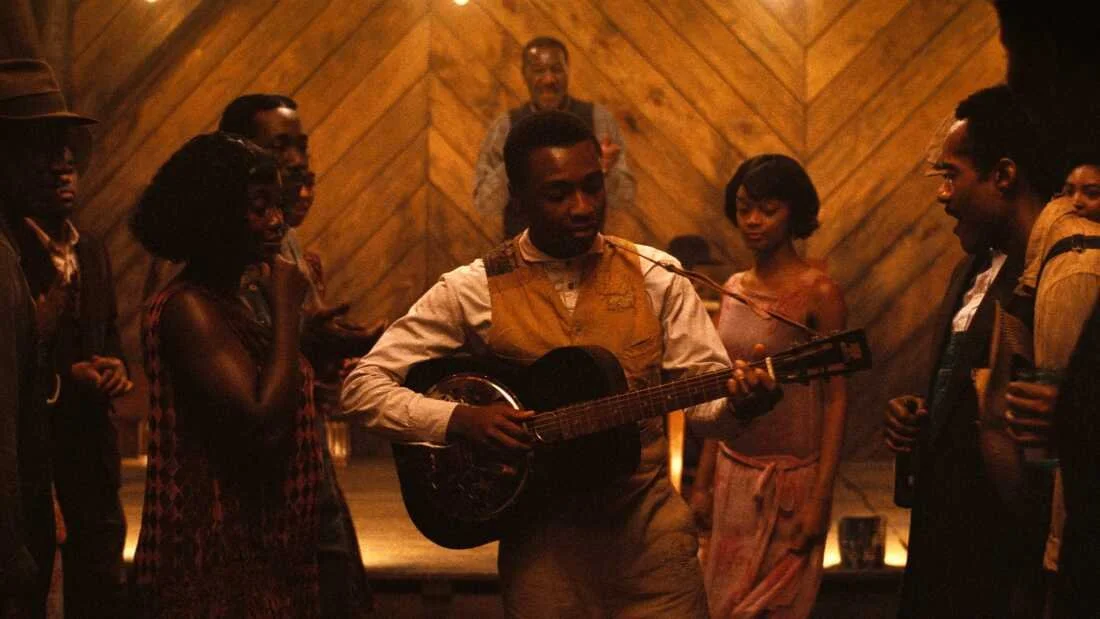
A Review of Ryan Coogler’s SINNERS
I’ve been thinking a lot about that film. It’s the first film that I’ve watched at least three times. I have my criticisms of it, but I also think that it is a masterpiece. When we compare that movie with anything produced anywhere in the world, it is an artistic masterpiece aesthetically. It is overflowing with symbolism from the “jump.” Everything from the opening scene with “Lil’ Sammy” and the introduction of the “Smokestack” twins is overflowing with rich historical and humanistic themes.
By Dr. Katrina Hazzard

I’ve been thinking a lot about that film. It’s the first film that I’ve watched at least three times. I have my criticisms of it, but I also think that it is a masterpiece. When we compare that movie with anything produced anywhere in the world, it is an artistic masterpiece aesthetically. It is overflowing with symbolism from the “jump.” Everything from the opening scene with “Lil’ Sammy” and the introduction of the “Smokestack” twins is overflowing with rich historical and humanistic themes. The sacredness of twins, among many African ethnic groups, is undeniable; so is the referencing of twins in ancient literary and mythological themes as far back as mankind can remember. The duality of human nature is a concept that is a Cultural Universal. The Yoruba Esu, the principle of uncertainty, duality, and choice is an example of reverence for this universal principle. So also is the African-American Br’er rabbit another example of the trickster duality. Man struggles with himself in this film, religion with Hoodoo, urban Chicago with rural Clarksdale, non-white with white, assimilation with cultural resistance, male with female, and canopying it all is imperfect good struggling with evil.
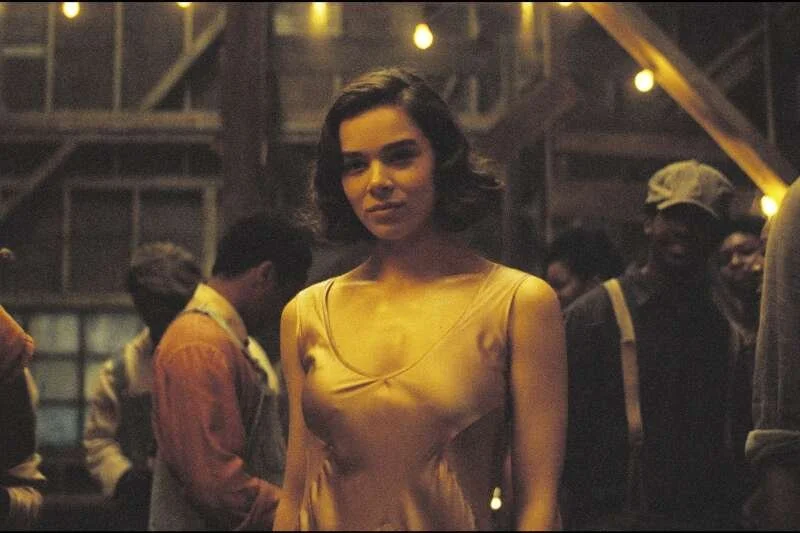
It has a few places where it could have been made more potent, but everything from the colors, the music, the presentation, and timing of the characters is outstanding and looks as if it were done with care. I absolutely loved Delroy Lindo‘s character, Delta Slim. He delivers one of the most important lines in the film when he tells Sammy “blues wasn’t forced on us like that religion, we brought this from home,” “what we do is sacred and big.” He says that what “they,” the blues men, do is sacred. Near the final scene Lindo becomes a reference to Jesus Christ himself, arms outstretched, as if nailed to a crucifix, blood spurting from his veins having been self-inflicted, with an Irish beer bottle, he presents himself as a living sacrifice in a ritual of profane communion as the vampires devour his flesh! He remains standing between his community and the greater evil.
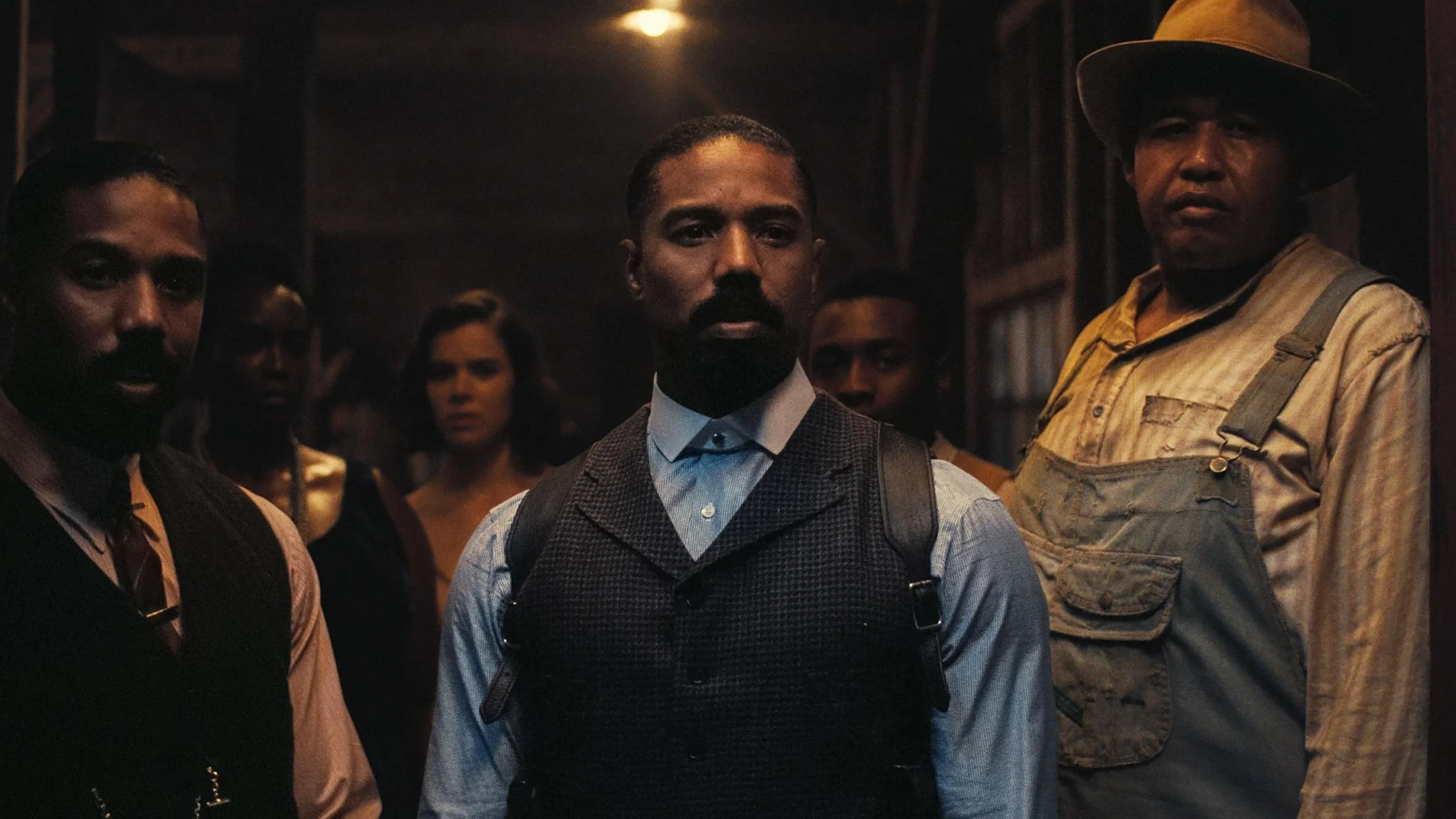
The location and time of the ethnic mix of roles is a potent presentation of the American “racial and cultural mix,” particularly in dancing and music. That the three vampires are Irish is a reference to the Irish role and the American slave system, but it also speaks to the elements of cultural exchange from both sides of the black-white divide. Though this movie takes the form of a vampire film, it truly is much more than a mere “horror flick.” This film is exciting from the beginning, in which little Sammy, scarred-faced, referencing traditional African scarification rituals, literally stands in the doorway of the church. The doorway is one of Esu’s locations. He stands there in the portal between good and evil with a broken neck of an “instrument of the devil.” By centering the music known as the Blues, the filmmaker allows the concentric circles of previous and contemporary music and dance forms to radiate. The blues, more than any other form of American music, has lived a contested duality: certain elements from the music and the dance have moved freely between the church and the “Jook,” later known as the juke joint. Prior to WWII, a clear distinction between sacred and secular was still opaque and minimally extant for many African American folks. Thomas Dorsey, the father of American gospel music, was Ma Rainey’s songwriter before he became saved and began writing sacred gospel music; and many of the most successful and seminal Black vocalists have come from “the church.” The Black church has produced more great Black vocalists than Juilliard. As you see, my praise certainly outweighs my criticism of the film. Nevertheless, my minor criticisms are that Little Mary would have used the term “Negro” instead of saying that her grandfather was half-“black.” A “two head” woman, root worker, in the Delta in the 1930’s would not have said “Ashe” as she refreshed the mojo bag. The mojo bag that Smoke wore would probably have been worn around his waist with the bag hanging between his legs, and not around his neck. In the scene where the ancestors return and the roof appears to be on fire, I would have included a Michael Jackson character or James Brown visual reference. And I would have included someone in a choir robe “catching the Holy Ghost.” I highly recommend that all moviegoers, who enjoy well crafted films, see this great movie. I’m going to watch it one more time; there’s more to say, but I will stop here.

Black American-Run Country Music Associations Needed to Make a Comeback—Here’s Why
On the heels of Beyoncé’s “Cowboy Carter” release, Black country artists had their mainstream moment amongst the genre’s fans. It was long overdue since it was us who helped create and pioneer country music, though racist industry politics have blocked most of our artists from shining in the big leagues.
Are predominantly white institutions (PWIs) the end-all, be-all answer to tackling the country Music diversity dilemma? I think not.
Written By: Johnaé De Felicis

Charley Pride
Becoming a trailblazing Country Music superstar was an improbable destiny for Charley Pride considering his humble beginnings as a sharecropper’s son on a cotton farm in Sledge, Mississippi. His unique journey to the top of the music charts includes a detour through the world of Negro league, minor league and semi-pro baseball as well as hard years of labor alongside the vulcanic fires of a smelter. But in the end, with boldness, perseverance and undeniable musical talent, he managed to parlay a series of fortuitous encounters with Nashville insiders into an amazing legacy of hit singles and tens of millions in record sales.
Growing up, Charley was exposed primarily to Blues, Gospel and Country music.
On the heels of Beyoncé’s “Cowboy Carter” release, Black country artists had their mainstream moment amongst the genre’s fans. It was long overdue since it was us who helped create and pioneer country music, though racist industry politics have blocked most of our artists from shining in the big leagues.
Reflecting on the genre’s beginnings, Indigenous pride comes to mind. Charley Pride, the first mainstream Black country artist, made big waves in this country music category. Yet, he experienced mislabeling in the same way that reclassified Indigenous Black Americans have in the U.S. “They used to ask me how it feels to be the ‘first colored country singer,‘ then it was ‘first Negro country singer,’ then the ‘first Black country singer.’ Now I’m the first African-American country singer.′ That’s about the only thing that’s changed,” he shared with The Dallas Morning News in 1992.
Before Beyoncé’s Cowboy Carter release, only a handful of Black country artists had achieved commercial recognition—Darius Rucker, Mickey Guyton, and Linda Martell, to name a few. Then you have accomplished artists like K-Michelle, who crossed over from R&B and other genres to country music, just to land back at square one and climb an uphill battle for a seat at the table.
To date, only three Black country artists out of hundreds have been inducted into the Country Hall of Fame. And while Nashville’s Country Music Association claims to champion diversity and inclusion, I can’t help but think that it’s merely a performative response to societal pressure. Industry gatekeepers still don’t welcome Black country artists with open arms, no matter how talented they are. We saw that with Beyoncé. Colonial-run institutions continue to move the line for what’s considered “country,” conveniently weaponizing this issue as an excuse to deny Black artists their deserved record deals and radio play. My observation of country music fans is that they don’t care if you’re black, white, yellow, purple, or blue. They just want damn good music. The institutions are guilty of rejecting many country artists of color by refusing to kick down their invisible white picket fence. Still, now that artists can directly reach their fans with social media, their “blessing” doesn’t matter anymore. It never did.
As an artist and creative of color, I think I speak for us all when I say that we are past fighting for acceptance in predominantly white spaces. With the rise of emerging Black country artists, the case for Black American-run associations comes into play.
The History of Black Country Music Associations

Cleve Francis, M.D.
Singer, Songwriter, Performer and Physician (Photo by Rena Schild)
In 1995, a Black country artist collective aimed to ‘unblur’ the genre’s color lines. With that came the Black Country Music Association’s inception. Founded by country performer Cleve Francis, the Association challenged the status quo and the narrative of our musicians and our music. They went out of their way to ensure that the underdogs were given their flowers and considered as more than an afterthought, opening doors that they otherwise may not have been able to walk through themselves. Francis departed from the organization in 1996, leaving country songwriter and performer Frankie Staton to become its frontrunner. The association cultivated a community amongst Black country artists magically. For example, they hosted their Black Country Music Showcase at Nashville’s famous Bluebird Cafe, a historic landmark and songwriter’s haven for testing new songs.
Thanks to the Black Country Music Association, ignored artists who needed a leg up in the business had an extra lifeline. The leaders, as country artists themselves, generously educated their successors on the industry’s ins and outs.
The Black Country Music Association had an active presence in the late 1990s and early 2000s but has since dissolved. Yet, its legacy continues to live on. Two years ago, the Country Music Hall of Fame acknowledged the Association in their exhibit, American Currents: State of the Music. Today’s younger organizations, like the Black Opry and Nashville Music Equality, carry the torch in fighting for industry equity.
From BCMA to Black Opry

The Black Opry
Black Opry is home for Black artists, fans and industry professionals working in country, Americana, blues, folk and roots music.
In 2021, researchers from the University of Ottowa found that the 400 country artists in the US include only 1% who identify as Black and 3.2% who identify as BIPOC. Organizations like Black Opry, a modern-day twist on the Black Country Music Association, seek to change that. Its community of Black country, folk, blues, and Americana artists is boldly ushering in a new generation of Black country artists. Founder Holly G. started the Black Opry in April 2021 to advocate for country artists of color. What started as a community blog has since expanded to a huge movement of emerging Black country artists. The Black Opry comprises more than 90 musicians who have been featured in over 100 shows to date. Black Opry acts get ample stage time to sing and perform on their instruments, with other members doing backup vocals, giving them equal attention and visibility. I’m proud of this community for creating a safe space for marginalized country artists, ensuring that they go through the music journey as part of a supportive and active community of performers.
Beyoncé’s Cowboy Carter release also opened the floodgates of widespread support for the Black Opry, as the album features members of the collective. The community exists as much for the fans as it does for the artists, further bridging the gap between the two groups. As a folk musician myself, I’ve come to realize that there’s an audience for everyone, regardless of skin color.
Supporting The Future of Black Country Music

Linda Martell
A pioneering force hailed as the unsung hero of the genre, Linda Martell (82), was the first commercially successful Black female artist in country music. Martell had the highest peaking single on the Billboard Hot Country Singles (now Songs) chart at #22, “Color Him Father,” by a Black female country artist in the history of the genre in 1969, until Beyonce’s “Texas Hold ’Em” debuted at #1 on February 21st, 2024. Martell was notably the first Black woman to play the Grand Ole Opry stage.
Black country pioneers who paved the way for today’s artists, from Charley Pride to Linda Martell, faced roadblocks that we likely couldn’t fathom. Today’s Black country music associations are in place to keep those following in their footsteps from experiencing similar obstacles. Thanks to technology and social media cutting out the middleman, opportunities in country music are now more accessible than ever. Supporting each other also goes a long way. Cowboy Carter introduced us to some newer Black faces in country music who have been putting in work for years, like Tanner Adell and Reyna Roberts. And then you have hybrid artists like Shaboozey and Breland who are innovatively merging the worlds of country and hip-hop.
These artists are what country music needs to evolve in a forward-moving direction. They’re pushing boundaries in a way that we haven’t seen before, and it’s a breath of fresh air. There’s no limit on how far these rising talents can go, especially with a strong, sustained community like ours backing them.

History Speaks: The Black Experience in Southeast Kentucky
The Black Experience in Southeast Kentucky is a series that shares the stories of African Americans living in the hills of Southeast Kentucky.
Written By: Emily jones Hudson
History Speaks: The Black Experience in Southeast Kentucky is a series that shares the stories of African Americans living in the hills of Southeast Kentucky. Our roots are deep in the mountains but have stretched beyond these hollowed hills. Voices from the past and present herald the presence of Black life in these mountains and quietly whisper: "We were here." "We are still here."
Emily Jones Hudson
I spent my early "growing up" years in Hazard, Kentucky struggling to reconcile my identity as and African American and an Appalachian. A Black person living in the hills of Southeast Kentucky. Coming Full Circle introduces my quest for identity and explains my passion to share the stories of African Americans living in these mountains, past and present.
Coming Full Circle was originally published in my book, Soul Miner, A Collection of Poetry and Prose, in 2017 and revised for my column, History Speaks: Voices From Southeast Kentucky.
Coming Full Circle
They say these mountains separate. They say these mountains isolate. When I was young and growing up in these mountains, they kept the world out. I grew up to embrace these mountains, their history and story; they became etched in my soul. I was raised up listening to my father’s stories of coal-camp life and to his version of Jack Tales; to grandpa’s stories of hunting in the woods, burying sweet potatoes in the ground, of working his farm up on the hill and a mine below the hill. These mountains’ hold grew strong on me.
It was not until I began my journey beyond the boundary of these mountains that I was able to meet you, my beautiful African sister. You told me stories from the Motherland, the cradle of civilization. I told you Mother Earth stories. You draped your body in a beautiful rainbow of colors. I dressed in blue jeans and hiking boots. And then we shared the woman-secrets passed down from mothers and grandmothers, from generation to generation. These woman-secrets kept them strong. They had to be strong to survive. We found a common bond. You taught me of the Motherland, and I began to understand why you walked so proud with head held high. We discovered that Motherland and Mother Earth were one in the same.
But soon the mystique of my mountains awakened from deep within and began to call me. I knew my journey was home bound. I wanted to bring my beautiful African sister home with me to meet my mountain sisters. You came. I now embrace a triad of cultures: African, African-American, and Appalachian.
Home. These mountains are home to me. Mother Earth. It was here in these mountains that I grew into womanhood. I say “grew” into womanhood because early childhood years were tom-boy years. I played rough and tough with my brothers. I thought I was no different. I climbed the apple trees in grandpa’s yard on Town Mountain. I climbed the coal cars that straddled the tracks across from my uncle’s house in Kodak. We built forts above our house and named them Fort Boonesboro and Fort Harrodsburg. I thought I was no different.
As I grew older, I learned to appreciate the mountains, their quietness and stillness. They became my friend as I would spend countless hours living beneath the treetops lost in my dreams. What did it mean to be a young woman growing up in these Southeastern Kentucky hills? What did it mean to be a young black woman growing up in these mountains? You see, I felt there was no difference.
I loved the life of tradition. I grew up watching my mother quilt, canned tomatoes and put up beans. My father grew corn upon the hill behind the house. I remember the Sunday trips to the coal camp to visit my Uncle Ralph and Aunt Frankie. It was always dusk when we would catch a glimpse of my uncle coming up the holler wearing coal dust on his face and carrying an old dinner bucket. I dreamed of writing music, playing my guitar, and becoming a country music singer. It seemed such a simple life. My mountains kept out anything that threatened to upset that simplicity.
And then I left the shelter of my mountains as daddy sent me off to college to follow my brother. Berea College welcomed me with open arms, and I found that I could still maintain some of that simplicity and Appalachian flavor. It was here during my college years that I was exposed to true cultural diversity. Coming from a small mountain town where everyone was related one way or another, I had never before seen so many people of color all together at once! I was introduced to my African brothers and sisters. I became enchanted and obsessed with finding my roots and discovering how they linked together. I was enticed to look into my mirror. I saw two women I did not know. The first woman carried a peace and freedom sign and invited me to march to Selma with her. The second woman walked so graceful with a basket balanced atop her head and beckoned me to join her at the Congo. I was intrigued and mystified and wanted to know more about the women who extended their hands in greeting to me from my mirror.
I began to learn about the rich African culture and how early civilization was there in the ancient cradle. I discovered a whole new world, and I began to think, “I have missed so much life while being rocked and sheltered in the arms of my mountains.”
Then an incident occurred that turned my mirror inside out. I was one of the founding team members that started the campus radio station, one of three African-American students and the only female. My program included contemporary rhythm and blues and many times I worked the night-owl shift. During my senior year as I began to think about graduation and job hunting, a friend convinced me to make a demo tape and send it to radio stations. I mulled it over in my mind. Three years’ experience working for the campus radio station. First female disc jockey. Surely, I would not have any problems finding a job with a radio station. I sent my resume and cover letter to a Black radio station in Indianapolis. I had visited relatives there often and that was the choice radio station to listen to. Before long I received a reply. They were so impressed with my resume and requested a demo tape. I put the demo tape together, rushed it to them and then played the anticipation game. I just knew they had a job for me based on their reply to my resume. Their second response, however, was not what I expected to hear: “There must be some kind of mistake. This can’t possibly be the same person on the demo tape that sent the resume.” And then there it was: “You don’t SOUND black! You sound like a hillbilly!” That is what they essentially said. I still have the demo tape buried in a trunk, but I did not try to bury my accent, that part of my cultural background. But that incident caused me to look harder and longer into my mirror.
After graduation I did make it to Indianapolis to work for a Black-owned weekly newspaper. I was the women’s editor and the only female reporter in the male-dominated newsroom. I still listened to that choice radio station. Eventually I landed in Cleveland where I spent 12 years getting to know the other women in the mirror. I worked for an organization that was female-led and culturally oriented. I was exposed to so much more of my African-American culture as well as African heritage. The founder and owner of the organization later admitted that she did not know how to take me at first. She said I was too light to be black. I was living on the west side of Cleveland in Parma where Black folks just did not live. And then I opened my mouth, there was that accent. She was not aware that African Americans lived in Southeast Kentucky. She was only seeing what the media chose to show.
As our local history has written, I found that many African-Americans living in Cleveland were born and raised in the hills of Southeast Kentucky, but they did everything they could to shed that suit and put on another, including dispensing of their accent. They blended in. They had been there too long and had no intention of ever returning to the mountains to live. But I could not change suits; if anything, I wanted to add different apparel to my wardrobe.
The mountains kept calling me home. As people told me, “You’re not Black enough for the city,” the mountains reminded me of my true home. I brought my new-found friends from the looking-glass with me; they were now part of me. I returned to the mountains like so many prodigal sons and daughters before me. I had come full circle.
These mountains no longer separate. These mountains no longer isolate. And yes, you can come home again.