AFRO-INDIGENOUS FOLKLORE
Myths, Legends, and the Wisdom of Ancestors

Jackie Merritt – Preserving The Blues Through Art
There are many ways to express and preserve culture and traditions. Some convey it through literature, some through spoken word, and others through the various arts, ei—painting, music, performance, and dance. Jackie Merritt uses the arts to tell the story of the blues people. The art of painting, singer/songwriting, and performance. Merritt is a cultural bearer extraordinaire whose roots in painting and the love of acoustic guitar galvanized her on a journey to becoming one of the premier Black Traditional Music practitioners who works to make sure the people of the music and experience live.

Hip Hop is the Great Great Great Grandchild of The Blues
The Blues and Hip Hop constitutes over one hundred years of black expression. They are both oral and aural documentation of the black experience in the Americas. Furthermore, the expression is unique and specifically formulated as a response to black in America. According to Louisiana native and blues legend Chris Thomas King, 'Blues' was created in New Orleans.

Eenie Meenie Miney Moe and The Ice Cream Truck Song’s Origin
There are many songs used to engage children by parents and teachers. Some are nursery rhymes, and some are jingles for popular kids' products. We all know and love them. However, most have no idea the racist origins of these tunes that became a stamp in households, schools, and communities. This essay will discuss two of the most popular songs.

The Portrayal of Black in Cartoons and Anime
Some think Anime and the average cartoon are the same things. However, there is a difference. Cartoons are produced for humor, featuring caricatures created for satire, where Anime focuses on life issues, human emotions, sex, and violence. The first cartoon was released to the public on August 17, 1908

“A Sunday Kind of Blues - An Interview with Teeny Tucker”
It is the middle of a Sunday afternoon when I finally connect with Teeny Tucker, a woman born into blues royalty whose made a lane all her own. She is all blues, all the time. A blues songstress and a songwriter who is as much of a blues historian as she is a blues activist.

The Blues is Our Story
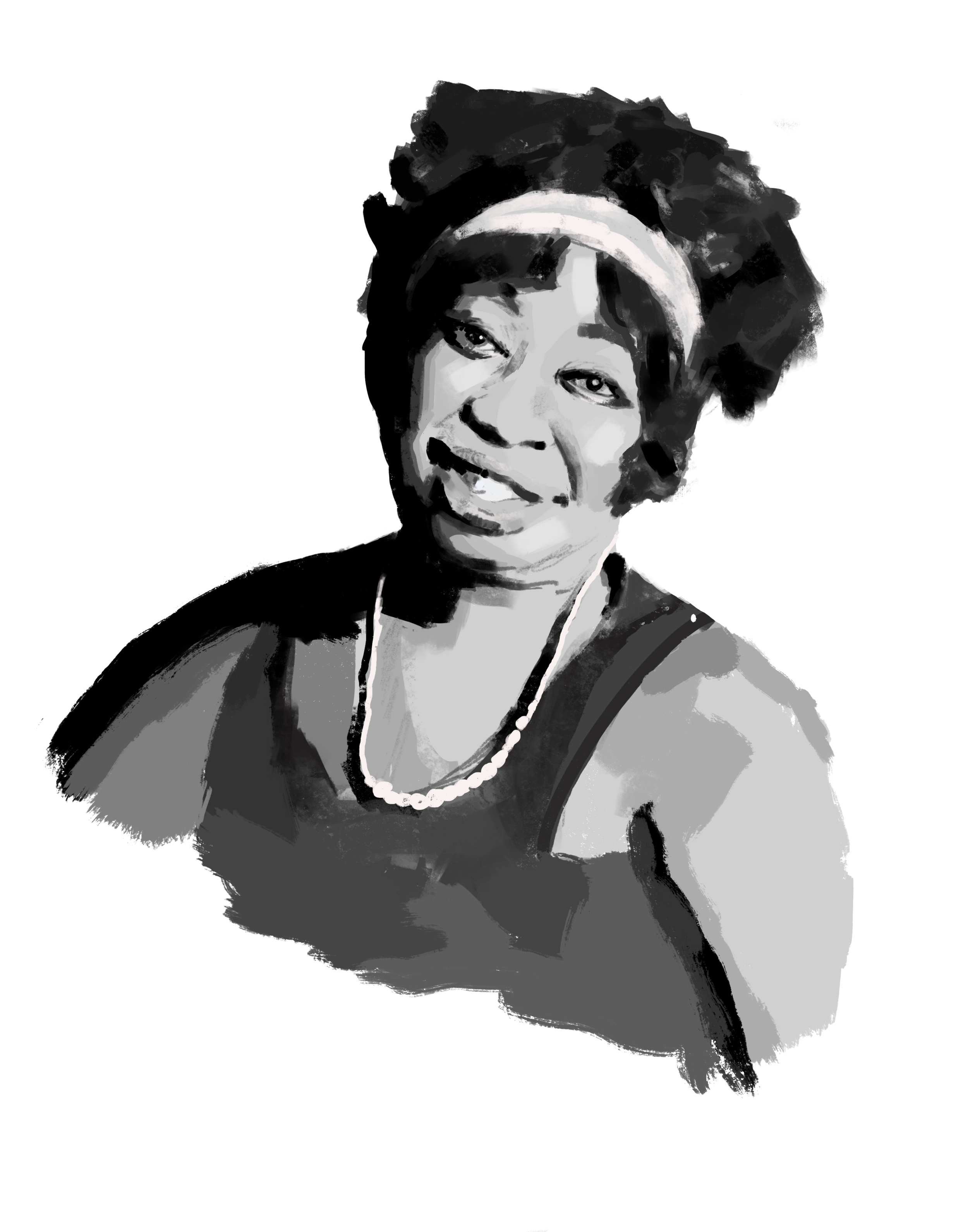
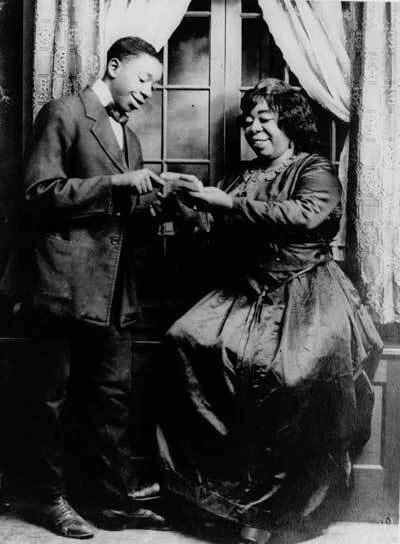
The blues is healing. The blues is freedom. That is the message I take with me everywhere I perform. As an African American blues artist, I feel it is essential to have a clearer understanding of this music. Sadly, the real knowledge of what this music is about is too often overlooked. Blues began out of a need for African Americans to seek healing and freedom in a society that denied them both. This music allowed black folks a way of expressing their humanity in a world that, for 400 plus years, refused them of their humanity. The blues was a way of saying, “we matter.”

Langston Collin Wilkins - Folklorist Of The Month
Langston’s commitment to the preservation, documentation, and the raising of awareness regarding African American music, tradition, cultures and communities culminate in his making significant contributions to the black folk narrative, black folklife and the many expressions birthed in the urban and rural landscape of African American life.

Voice from The Past
On May 25th, 1894, Anna Julia Cooper, an African American activist, educator, and writer, spoke at a Hampton Normal School (now Hampton University). Invited to speak at a Folklore Conference, Cooper delivered a speech in a large assembly hall, addressing an audience of teachers, trustees, Hampton graduates, and folklore society members. What did she discuss that Friday evening? African American folklore.

Haitian emigration
On June 20, 1859, the schooner A.C. Brewer left New Orleans wharf bound for Port-au-Prince, Haiti. Onboard were 200 free people of color, mostly families, who planned to emigrate to Haiti permanently. They were answering a call from the Haitian government for African Americans to put their skills to work in the service of the first independent, Black nation in the western hemisphere. The young island-nation needed sailors for its ships, field workers for the abandoned sugar and coffee plantations left by French planters after the revolution, and other forms of nation-building.

“Three Sides to a Story: Slave Breeding, the Academy and Black Collective Memory in the United States”
Determining if slave breeding actually occurred or if it is merely a myth has been for the academy one of the most controversial topics in the study of American slavery. Sources such as slave narratives, oral histories, and abolitionist materials were assumed to be unreliable, and plantation financial records documenting the practice have yet to be located. While professionally trained historians are generally incredulous that slave breeding existed, black American collective memory continues to testify to its truth.

The Drive
It’s mid-afternoon on a Friday, back in August 2019, the first week of school, and Annette and I bust the kids out early to take a trip. There are questions, games, and mild disagreements, and after an extended period of what Annette calls “crunkness,” during which time Selah, six, and Ida, four, run around quarter clothed and negotiate for sweets somewhat successfully, we pile back into the car and inch our way through typical New Orleans midday traffic.


Blues Narrative - Mr. Waltho Wallace Wesley
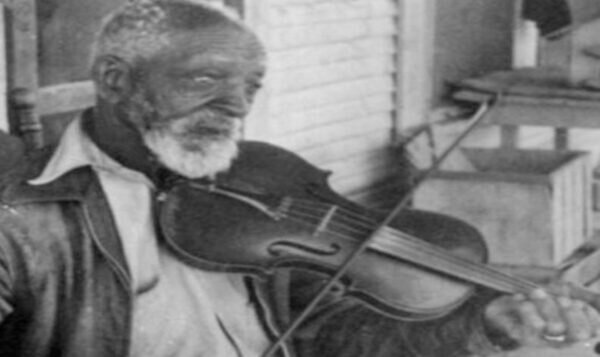
Mr. Waltho Wallace Wesley, a descendant from the Muskogee Creek and Seminole Nations. A Life long resident of Indian territory in present-day Oklahoma, and ‘Black’ Indian historian.

