
AFRO-INDIGENOUS FOLKLORE
Myths, Legends, and the Wisdom of Ancestors
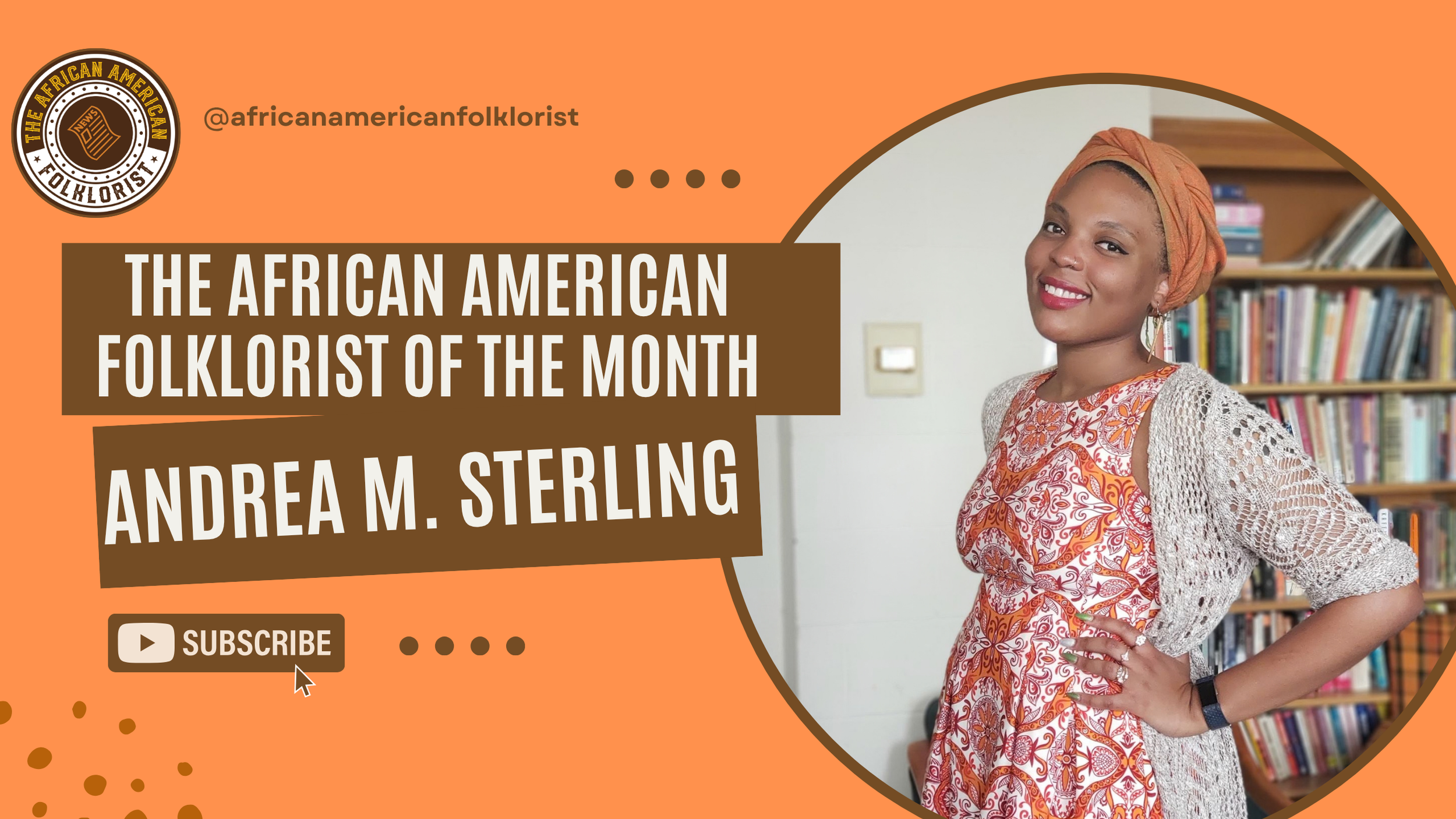
Andrea Sterling: Black Feminist Radical Love, Interdependence, and the Practice of Community Care
What can radical love teach us about the ways we care for one another, build community, and imagine freedom? Andrea M. Sterling is a writer, facilitator, scholar, and community cultural worker whose practice is rooted in a Black Feminist Radical Love Ethic..
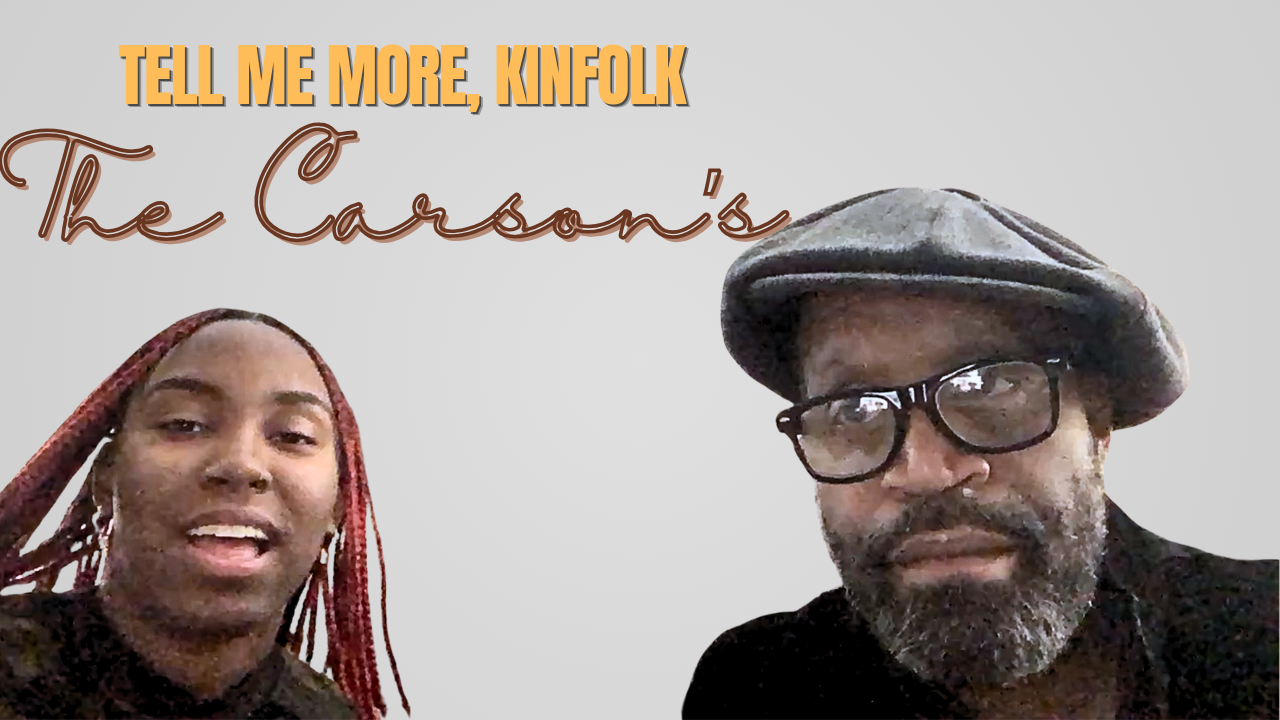
Tell Me More, Kinfolk: Brock Lightnin’- A Daughter Asks Her Father About Music
In this first installment of Tell Me More, Kinfolk, musician Brock Lightnin’ is interviewed by his daughter about his love for music, his desire to create, and the experiences that continue to shape him as an artist.
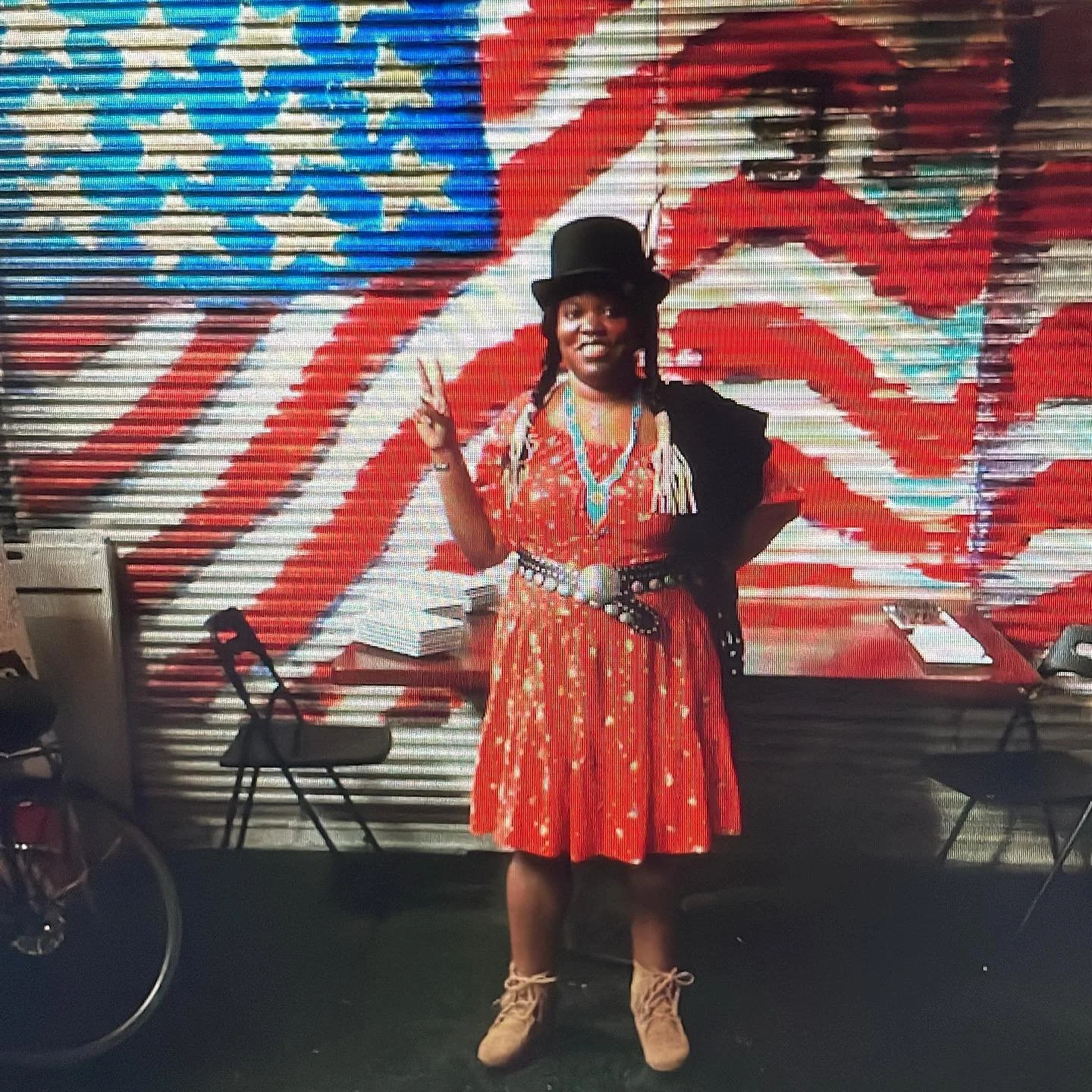
AMERICA NEEDS INDIANS: A RIFF ON NATIVE AMERICANA MUSIC
Afro-Native musicians bear intersectional identities, navigating a complex space wherein we blend indigenous and African diasporic cultural traditions. Being black and native we share the background of being traumatized by settler colonialism and sometimes even disenfranchised by our own nations. Indigenous erasure is also our plight. We share connection to the land and our Ancestors. And we are personally motivated to be involved in political and social movements in which we use our voices to help raise awareness about issues that affect both Indian Country and Black America.
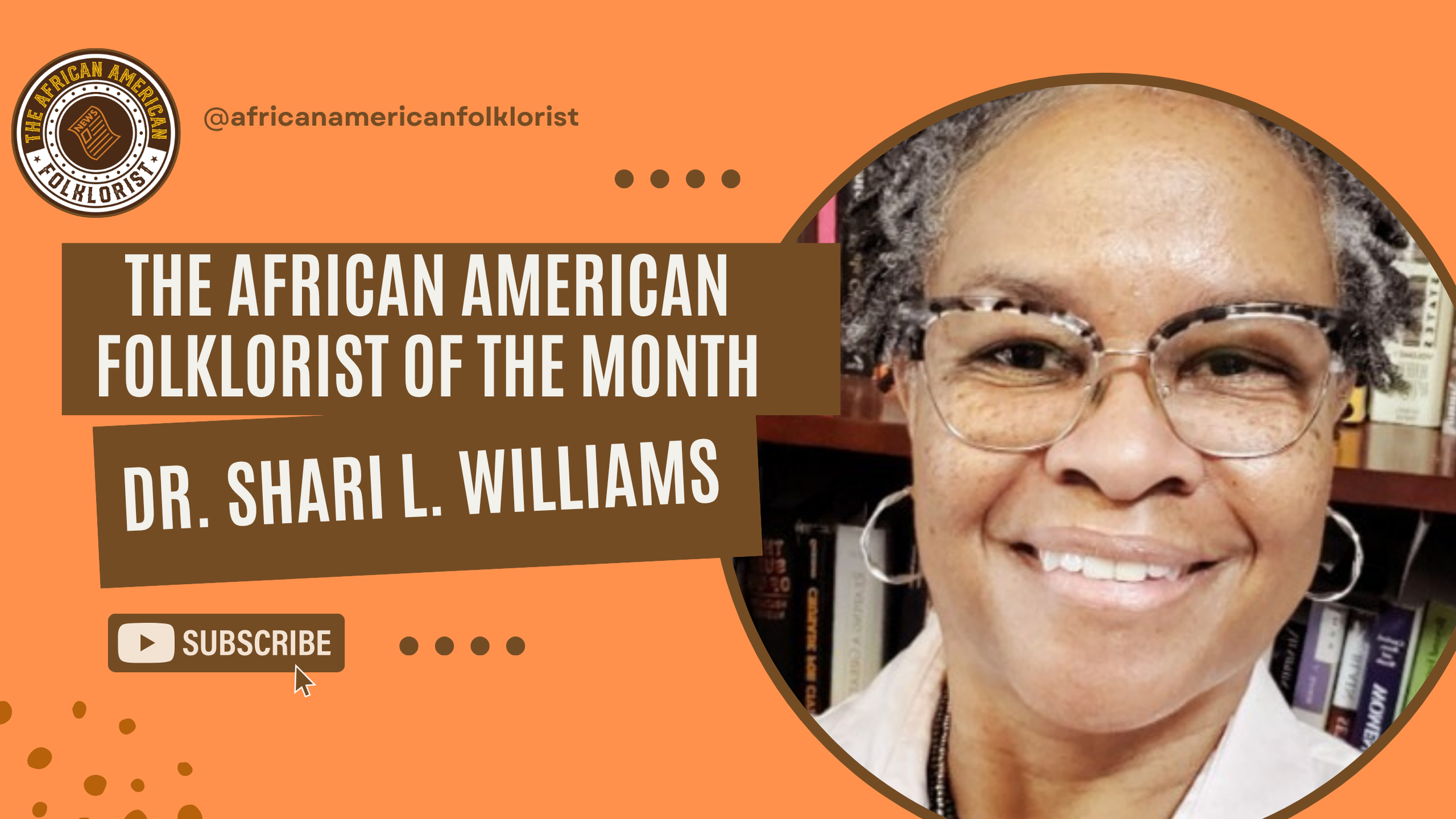
Dr. Shari L. Williams: Along the Ridge: Black Belt Memory, Rural Landscapes, and the Public History Work
For June’s African American Folklorist of the Month, we honor Dr. Shari L. Williams, a public historian, independent scholar, preservationist, and cultural steward whose work centers the historical and cultural landscapes of Alabama’s Black Belt. As the first African American woman to earn a Ph.D. in History from Auburn University, Dr. Williams brings a powerful scholarly and community-rooted perspective to the study of rural historic landscapes, Black social history, genealogy, cemeteries, archaeology, and cultural traditions.
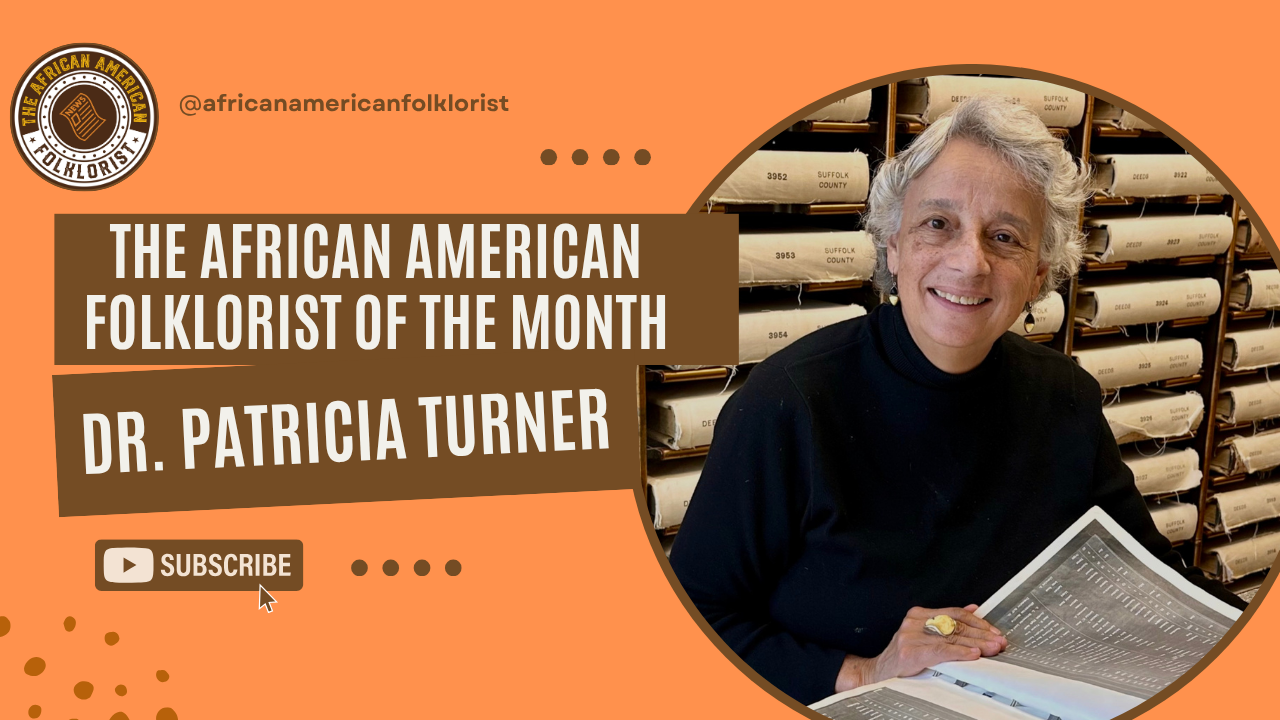
The African American Folklorist for November. Dr. Patricia A. Turner
Dr. Patricia A. Turner stands as one of the most significant voices in contemporary African American folklore studies. Her scholarship reveals how Black communities use stories, whether whispered rumors, circulating legends, family sayings, stitched quilts, or everyday objects, to interpret their circumstances, navigate systems of power, and preserve their cultural memory.

William Still: Black Ethnographer of the Underground
William Still wasn’t just recording history. He was practicing a distinctly Black ethnographic methodology grounded in survival, storytelling, and freedom.

“The Archive Is Alive: We Are What They Imagined”
In the Black folk tradition, we say the ancestors are always speaking. You just have to listen. The African American Folklorist was born out of that deep listening. It is not simply a magazine, platform, or project—it is a response. A call and response, to be exact. We are answering the calls of those who came before, affirming their intellectual labor, carrying forward their cultural vision, and transforming their blueprints into living, breathing work.
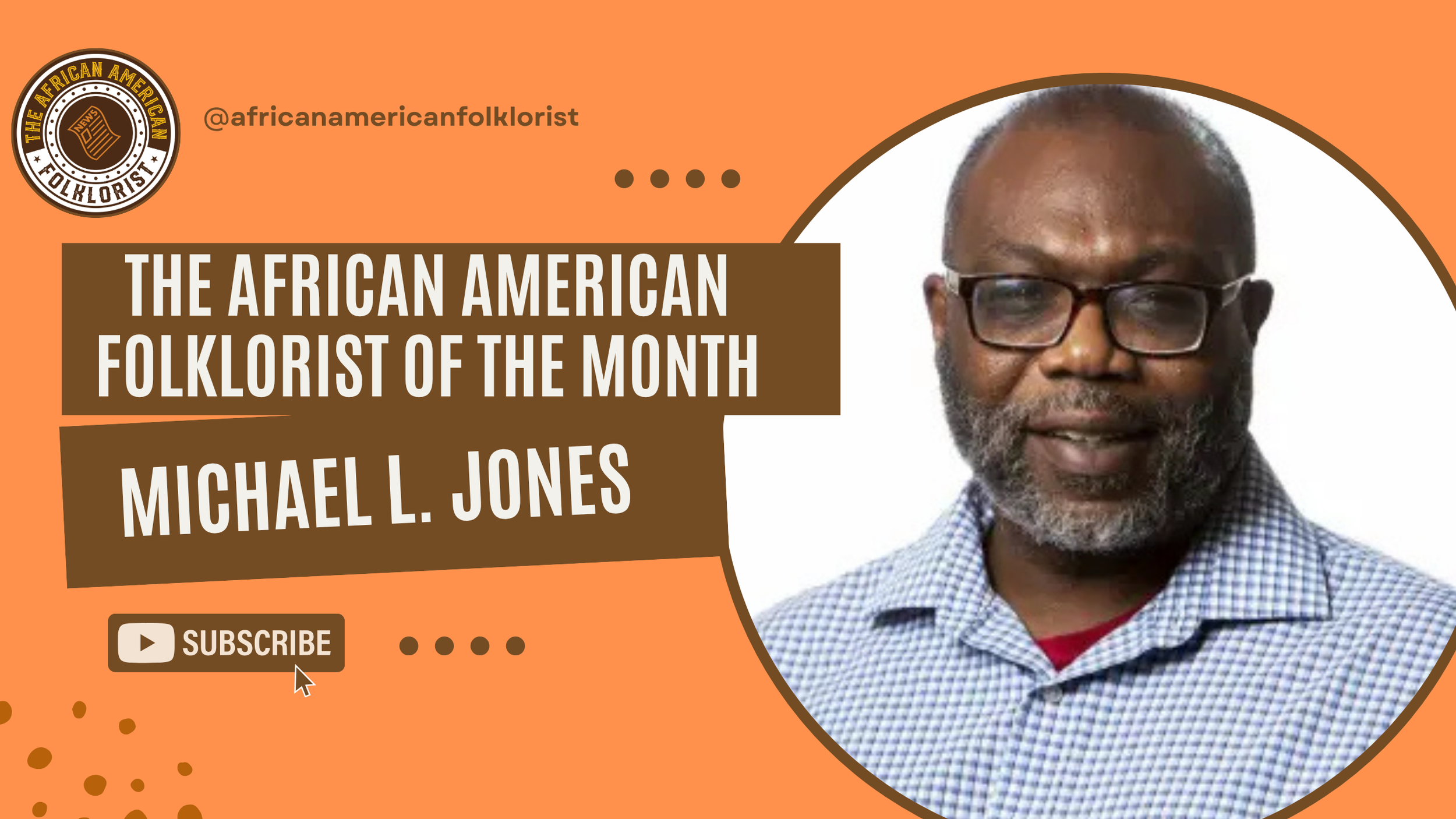
the african american folklorist for the month of august: michael L. jones
Every month, The African American Folklorist highlights a tradition bearer who embodies the spirit of Black folk heritage. For August, we are proud to honor Michael L. Jones—a journalist, author, music historian and cultural preservationist from Louisville, Kentucky. Jones balances the roles of musicologist, ethnomusicologist, historian and folklorist; his work documents and preserves African American musical traditions while actively engaging the communities that created them. In recognizing him as our African American Folklorist of the Month, we also celebrate a career devoted to uncovering the threads that connect Louisville’s Black and working‑class histories.

the african american folklorist for the month of july: benjamin hunter
What happens when a classically trained violinist reclaims Black folk traditions, embraces the deep Blues, and makes community the stage? In our latest video feature, The African American Folklorist sits down with Benjamin Hunter, musician, composer, educator, and Artistic Director of Northwest Folklife

The African American Folklorist for the Month of June: Dr. Elisha Oliver
Each month, The African American Folklorist honors a Black scholar whose life’s work is immersed in the deep study and preservation of African American folkways, knowledge systems, and community truth-telling. For June, we recognize Dr. Elisha Oliver, a biocultural anthropologist, visual ethnographer, and Executive Director of Texas Folklife, as our African American Folklorist of the Month.

~Cutting Ties~ Poem
Sometimes...
you gotta let go of hands that once held you,
just to hold on to yourself.

Blues Plus Column - Introduction
The blues is a living, vibrant, and contemporary art form, even if you couldn't tell from the limited coverage blues artists usually get in mainstream newspapers and magazines. Yes, there's a solid specialty press devoted to the music.

April 4 On My Heart
Thank you for making time to meditate on two prominent dates, April 4,1968, the day of Dr. Martin Luther King's Murder at the Lorraine Motel in Downtown Memphis, Tennessee, and April 2, 2020, the evening our oldest sibling and sister "Cookie" died from Covid 19. Her vibrant 52-year-old Daughter, Melvenia, passed 8 hours later. We didn't know Mel was infected.

Blues, Folklore, and Black Identity: A Legacy of Resistance and Revival
On this day, March 6, we recognize significant moments in both blues history and the broader landscape of Black American folklore. From the birth of blues legend Furry Lewis to the infamous Dred Scott decision and the enduring legacy of folkloric themes in his lyrics…

Charlotte Forten Grimké
There is a deep and complex battle that hovers over Charlotte. In competition, being the first usually comes with celebration; however, in a racist society, being the first usually comes with sorrow, anger, rage, or plain sickness. I’m not necessarily saying Charlotte felt any of those emotions, though it’ll be hard to believe she didn’t.
Blues Narrative - Phoenix Moon
In this episode, I speak with Phoenix Moon, a Colonial America historian, Forensic genealogist, Civil Rights Activist. Grassroots Political Legist.

Blues Narrative - Mr. Waltho Wallace Wesley
Mr. Waltho Wallace Wesley, a descendant from the Muskogee Creek and Seminole Nations. A Life long resident of Indian territory in present-day Oklahoma, and ‘Black’ Indian historian.