
AFRO-INDIGENOUS FOLKLORE
Myths, Legends, and the Wisdom of Ancestors
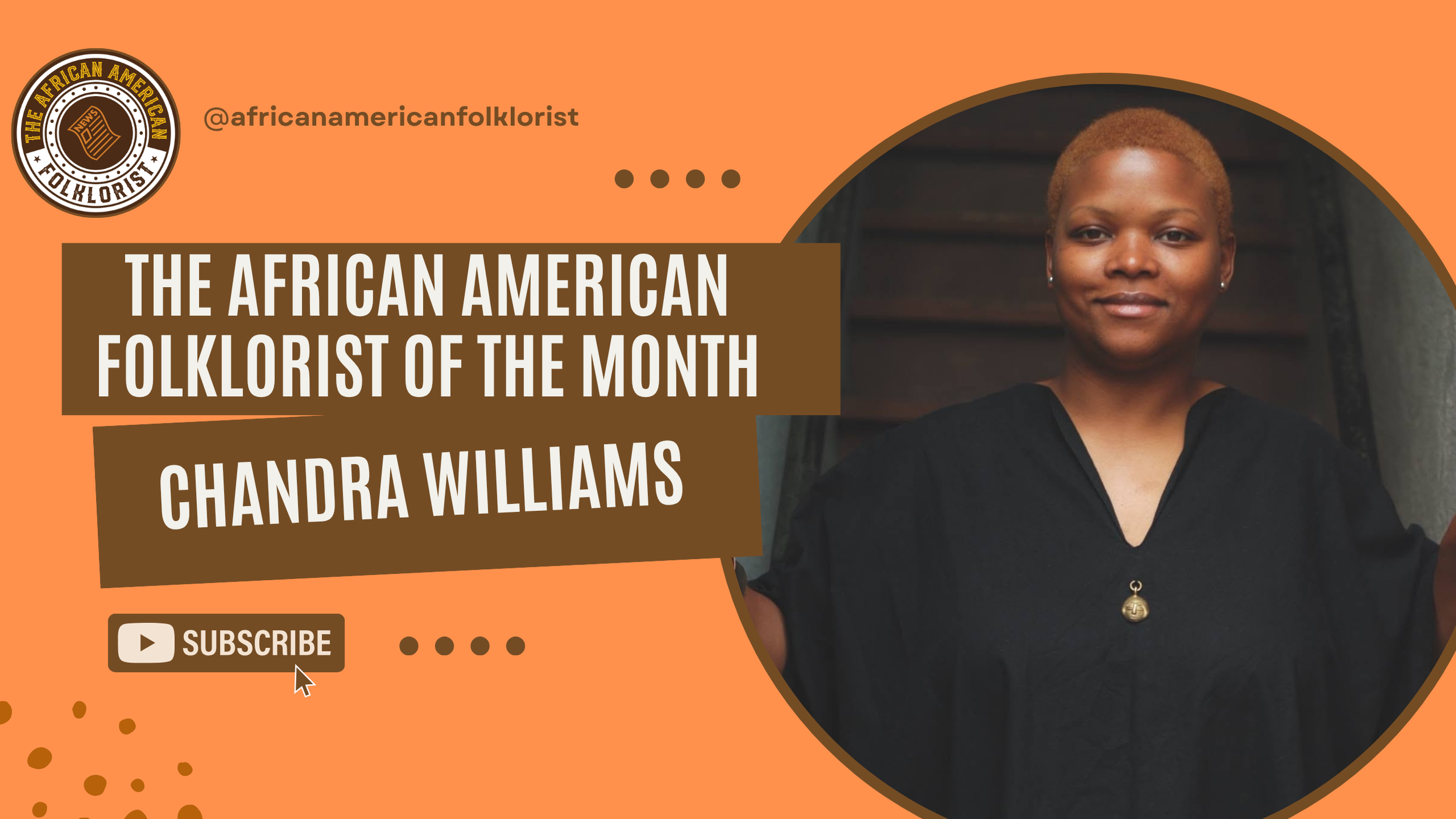
Art, Blues, and Community Healing: A Conversation with Chandra Williams
In this episode of The African American Folklorist, we sit down with Chandra Williams, artist, educator, community healer, and Executive Director of Crossroads Cultural Arts Center in Clarksdale, Mississippi. Chandra is the African American Folklorist for the Month of July!
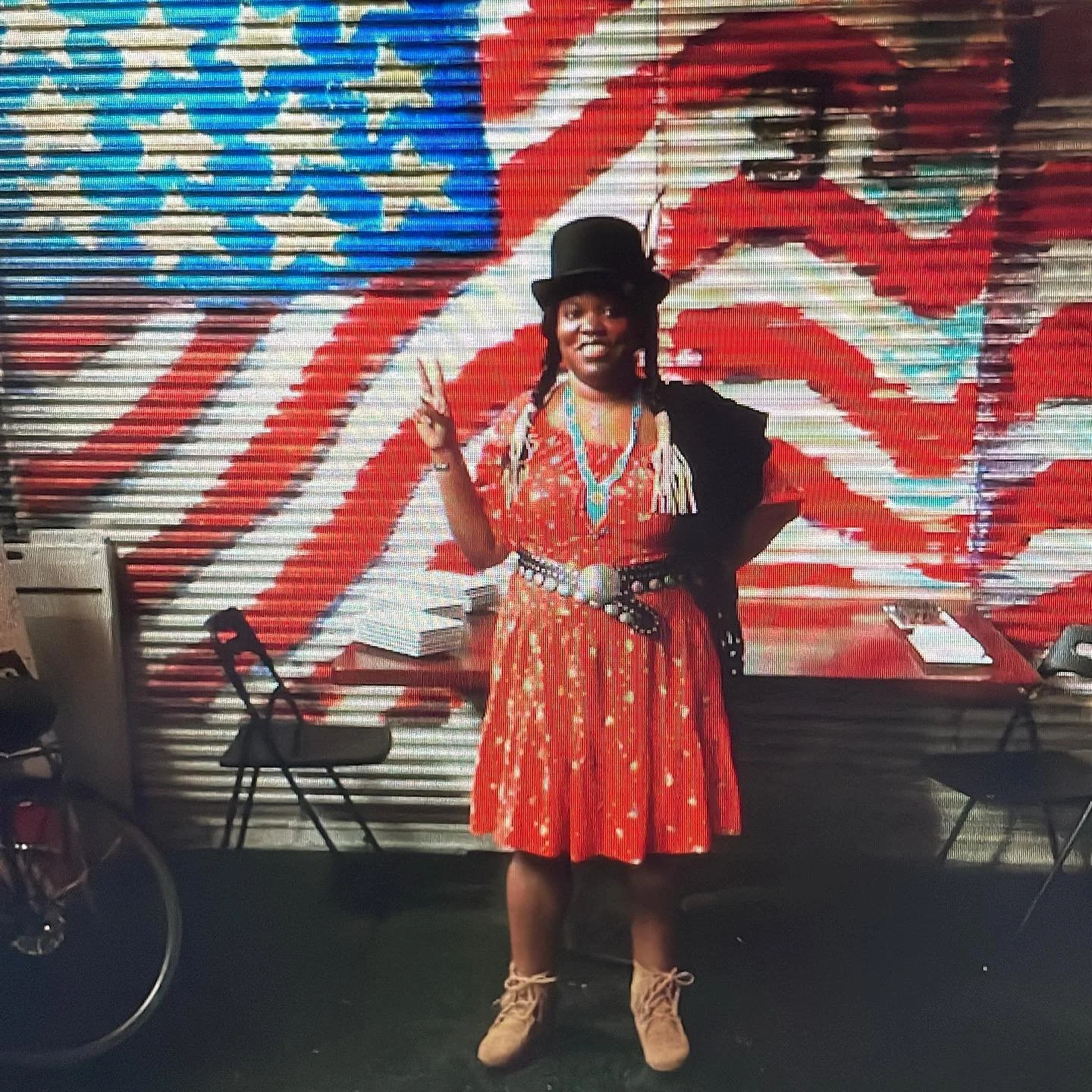
AMERICA NEEDS INDIANS: A RIFF ON NATIVE AMERICANA MUSIC
Afro-Native musicians bear intersectional identities, navigating a complex space wherein we blend indigenous and African diasporic cultural traditions. Being black and native we share the background of being traumatized by settler colonialism and sometimes even disenfranchised by our own nations. Indigenous erasure is also our plight. We share connection to the land and our Ancestors. And we are personally motivated to be involved in political and social movements in which we use our voices to help raise awareness about issues that affect both Indian Country and Black America.
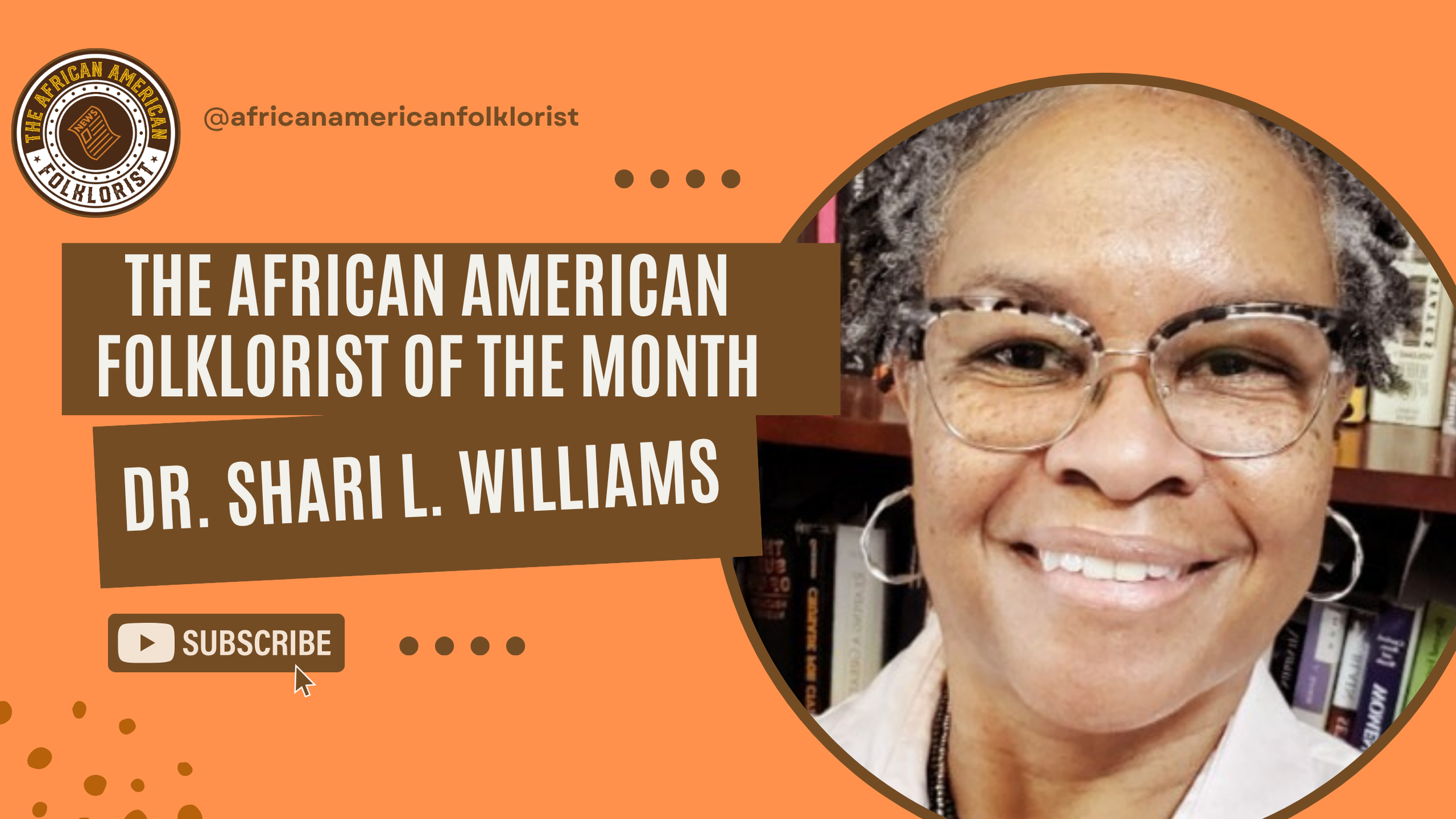
Dr. Shari L. Williams: Along the Ridge: Black Belt Memory, Rural Landscapes, and the Public History Work
For June’s African American Folklorist of the Month, we honor Dr. Shari L. Williams, a public historian, independent scholar, preservationist, and cultural steward whose work centers the historical and cultural landscapes of Alabama’s Black Belt. As the first African American woman to earn a Ph.D. in History from Auburn University, Dr. Williams brings a powerful scholarly and community-rooted perspective to the study of rural historic landscapes, Black social history, genealogy, cemeteries, archaeology, and cultural traditions.
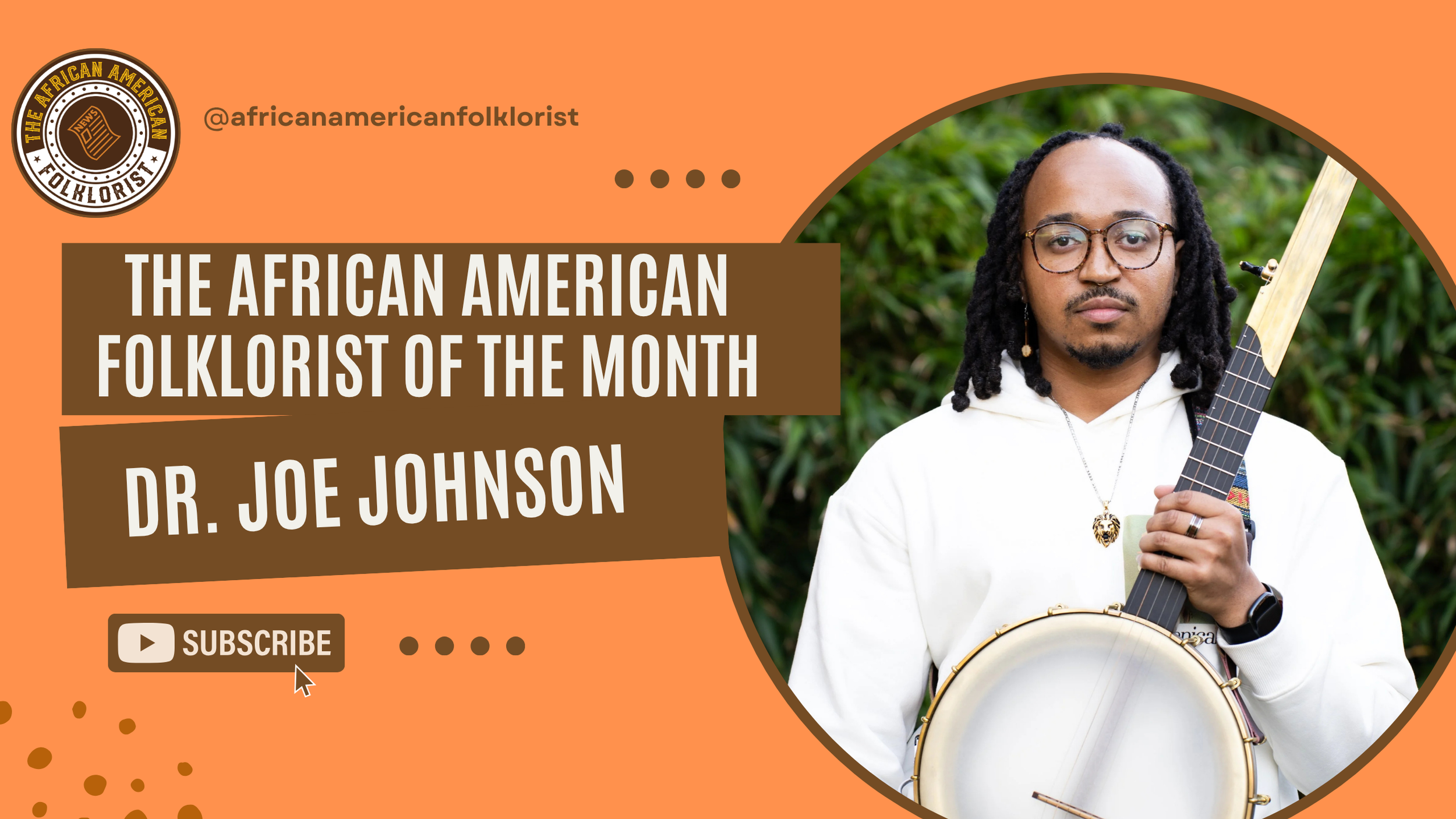
A Reclaiming the Banjo — Joe Zavaan Johnson and the Work of Black Musical Recovery
The African American Folklorist is honored to spotlight Joe Zavaan Johnson in April. Dr. Johnson is a multi-instrumentalist, arts educator, and Black music researcher whose work is helping return the banjo to its rightful place inside Black history, Black memory, and Black cultural practice.

William Still: Black Ethnographer of the Underground
William Still wasn’t just recording history. He was practicing a distinctly Black ethnographic methodology grounded in survival, storytelling, and freedom.

“The Archive Is Alive: We Are What They Imagined”
In the Black folk tradition, we say the ancestors are always speaking. You just have to listen. The African American Folklorist was born out of that deep listening. It is not simply a magazine, platform, or project—it is a response. A call and response, to be exact. We are answering the calls of those who came before, affirming their intellectual labor, carrying forward their cultural vision, and transforming their blueprints into living, breathing work.

the african american folklorist for the month of july: benjamin hunter
What happens when a classically trained violinist reclaims Black folk traditions, embraces the deep Blues, and makes community the stage? In our latest video feature, The African American Folklorist sits down with Benjamin Hunter, musician, composer, educator, and Artistic Director of Northwest Folklife

The African American Folklorist for the Month of June: Dr. Elisha Oliver
Each month, The African American Folklorist honors a Black scholar whose life’s work is immersed in the deep study and preservation of African American folkways, knowledge systems, and community truth-telling. For June, we recognize Dr. Elisha Oliver, a biocultural anthropologist, visual ethnographer, and Executive Director of Texas Folklife, as our African American Folklorist of the Month.

Honoring the Matriarchs: Black Spirituals, Field Hollers, and Slave Seculars on Mother's Day
Today, on Mother’s Day, we take a moment to honor the legacies of Black mothers, grandmothers, and aunties whose voices and influence continue to resonate through the traditions of spirituals, field hollers, and slave seculars. These women were not just caregivers—they were cultural bearers, spiritual leaders, and community builders who shaped musical traditions that echo through generations.
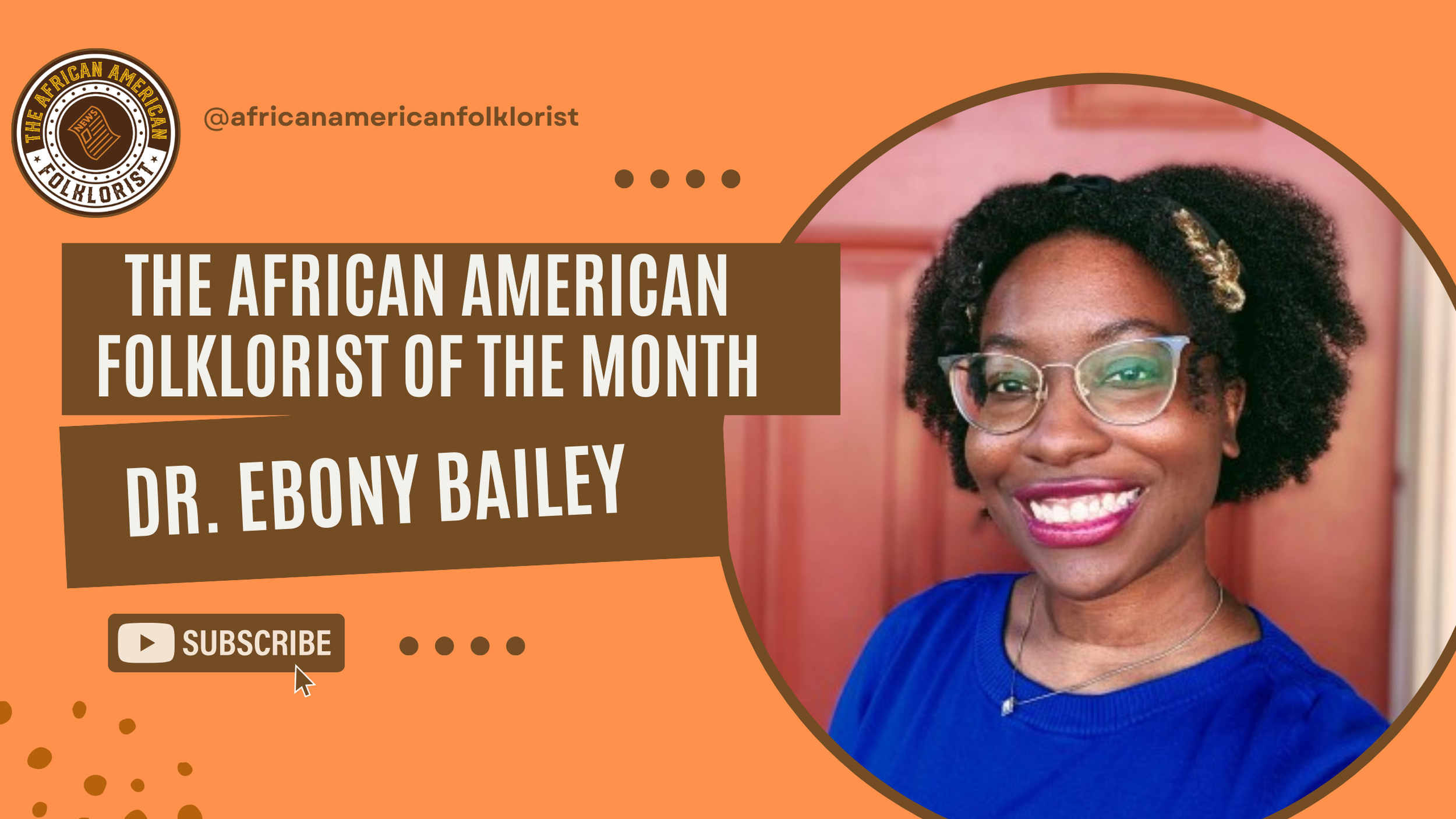
The African American Folklorist of the Month of May - Dr. Ebony Bailey
In this episode of The African American Folklorist, we honor Dr. Ebony Bailey as Folklorist of the month of May. Dr. Bailey is a dynamic scholar, writer, and cultural worker whose groundbreaking research intersects Black Literature and Folklore. Dr. Bailey explores how African Americans have historically been both represented as “the folk” and how they have powerfully redefined that term through literature, activism, and cultural intervention.

Remembering Fred Shannon
One hundred years since Fred Shannon’s life was stolen by a mob of white men in a small town in Eastern Kentucky. As I stand here, in this place, I can’t help but feel the weight of that century—one hundred years of silence, unanswered questions, and untold pain.

And the Oscar Goes To…Blacks, the Academy, and Representation.
McDaniel was only allowed into the venue with a strict “No Blacks” policy as a favor, and even then, she was segregated to her table in the very back of the room. No other blacks won that specific award again until Whoopie Goldberg did for her performance in the 1990 film Ghost.

You Have A Home!
We no longer need to rely on any other platform to share, publish, or even interrogate our narratives.
After a long-time supporter contacted me and shared how we are significant in disseminating and distributing the Blues People story, I felt it necessary to put the call out!

Miss Mae Remembers
Miss Mae remembers the small crowds
when you came in as Ma Rainey left town,
taking with her all their money and their hearts;
but huge crowds for her - and Bessie's - closing shows.

Charlotte Forten Grimké
There is a deep and complex battle that hovers over Charlotte. In competition, being the first usually comes with celebration; however, in a racist society, being the first usually comes with sorrow, anger, rage, or plain sickness. I’m not necessarily saying Charlotte felt any of those emotions, though it’ll be hard to believe she didn’t.

